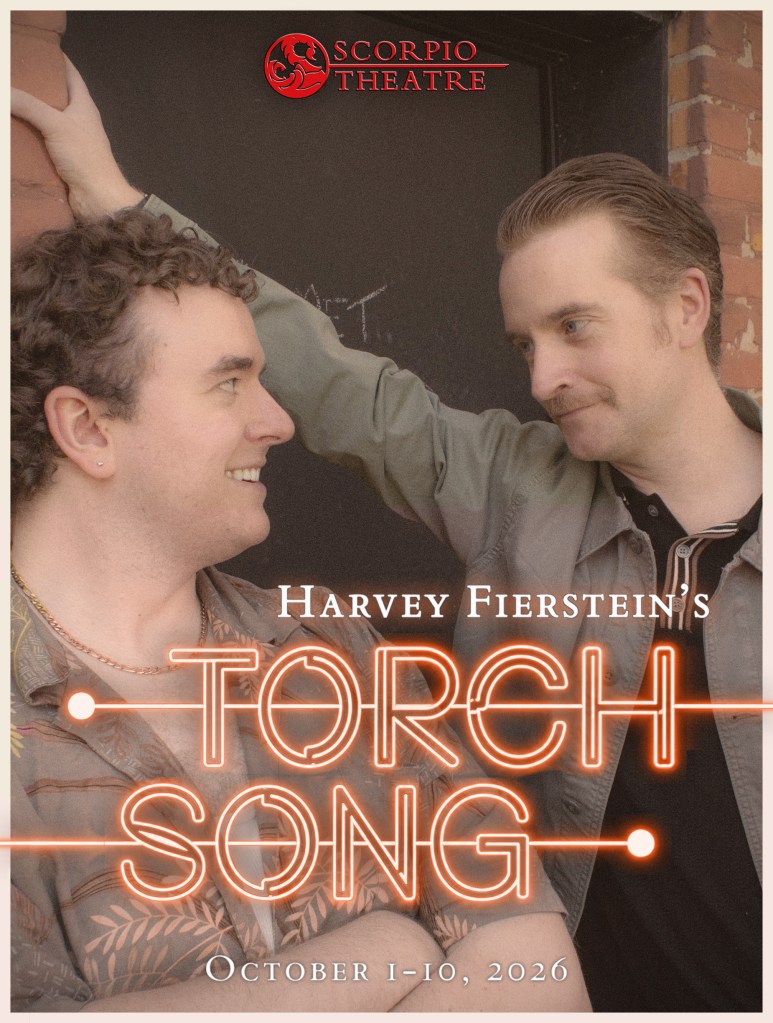
Scorpio Theatre’s production of Harvey Fierstein’s Torch Song runs October 1-10 at the Pumphouse Theatre.
The two-act revival of Harvey Fierstein’s award-winning Torch Song Trilogy explores the life of Arnold Beckoff, a torch song-singing Jewish drag queen living in New York City. Told with a likable, human voice, Torch Song follows Arnold’s odyssey to find happiness in New York. All he wants is a husband, a child, and a pair of bunny slippers that fit, but a visit from his overbearing mother reminds him that he needs one thing more: respect.
We asked theatre director Joey Sayer five queer history questions about this production of Torch Song.
- You first directed Torch Song in Calgary in 1990. What does the play mean to you (differently) today?
I first directed Torch Song (when it was still Torch Song Trilogy) when I was 25 – when I could very much identify with the Arnold (Harvey Fierstein) character, who also starts the show at age 25. Now, 35 years later, I somehow find myself identifying more with his Ma (originally played by Estelle Getty). This might not be too surprising since the characters are very much cut from the same cloth.
When I first directed the show, the original Broadway production was less than ten years old and still relatively fresh (and the movie version had only been released a couple of years earlier). The movie’s impact on the queer community was immediate and intense, and we all embraced it and made it a major part of our culture. Now, it is remembered by an older generation (many of whom never survived the 80s and 90s) but isn’t as well known today. Re-presenting it is a passion project: introducing a new audience to this exceptionally funny, well-written show and allowing them to take from it what they need.
- How do you preserve the play’s specific post-Stonewall, pre-AIDS historical context for contemporary audiences?
Torch Song takes place from 1974 – 1980, which puts it into a unique time frame – during the rise of the sexual revolution, riding the wave of second-wave feminism and different groups asserting rights and freedoms – or fighting for them – for the first time. At the same time, conservative values were still entrenched; discrimination, lack of knowledge and understanding, and hatred were still abundant, and many were still in the closet.
Torch Song addresses many of these issues, which were contemporary when it was originally written between 1978 and 1980. This was everyday life for audiences of the time; no explanation needed. However, much – if not most – of today’s audience would not have been alive during this time, and giving a history lesson at the same time as entertaining the audience was essential for me. Throughout the show, images depicting queer life circa 1974 are shown; music is contemporary, and the design is on point. The lobby will have information and displays to help inform the audience. Our designers have done an incredible job of recreating the look and feel of late 1970s New York.
- Arnold’s desire for love, family and acceptance was once politically radical. Where does the play still challenge audiences today?
When Torch Song was written, it was one of the first popular works that presented gay people as people, rather than as villains, objects of ridicule or as victims. Perhaps the most radical aspect was how relatable the characters are, and how every member of the audience could identify with them: Arnold and his desire to embrace the sort of life his parents had without compromising his own identity and values; Ed, with his indecisiveness and search for who he is and wants to be; Ma, with her inability to understand and embrace those she loves most. Almost 50 years later, audiences – even with an overall greater understanding of the lives of LGBTQ+ people – will find similar things to relate to.
Back in 1978-1980, the idea of gay marriage and raising children was beyond the imaginings of almost anyone – we eventually reached a point where this is more accepted and legalized. Still, we’re also in the midst of backtracking, where hard-fought rights are being challenged, and scapegoating is on the rise. One need only look at our local government to see how rights for the LGBTQ+ community are being systemically eroded. Torch Song helps us find empathy for others and understand the need to fight for the same things we all want.
- What parallels do you see between Torch Song’s New York story and Calgary’s own queer history?
New York in the 1970s, in many ways, foreshadowed Calgary in the late 80s, early 90s when I first directed this show (in the basement of the Forest Lawn Library!) The first pride marches were held in New York in the 70s, a new culture was being formed and exposed to society at large, visibility was increasing and rights were beginning to be legislated. Calgary’s queer community at the time was more invisible and underground, but by 1987 Project Pride was established, and in 1990 CLAGPAG organized the first LGBTQ+ rally, followed by Calgary’s first parade the following year. Calgary took inspiration from New York, and the release of the movie version of Torch Song Trilogy in 1988 played no small part in this.
- What do you hope younger queer audiences learn about the generations that came before them?
Of the cast, production team and designers working on Torch Song, only myself, the actress portraying Ma, and our set designer were even alive at the time the original was written – it has been an impactful and eye-opening experience for them. Everyone involved readily understands the importance of the show, relates to the characters, and sees how what occurred 50 years earlier still resonates today.
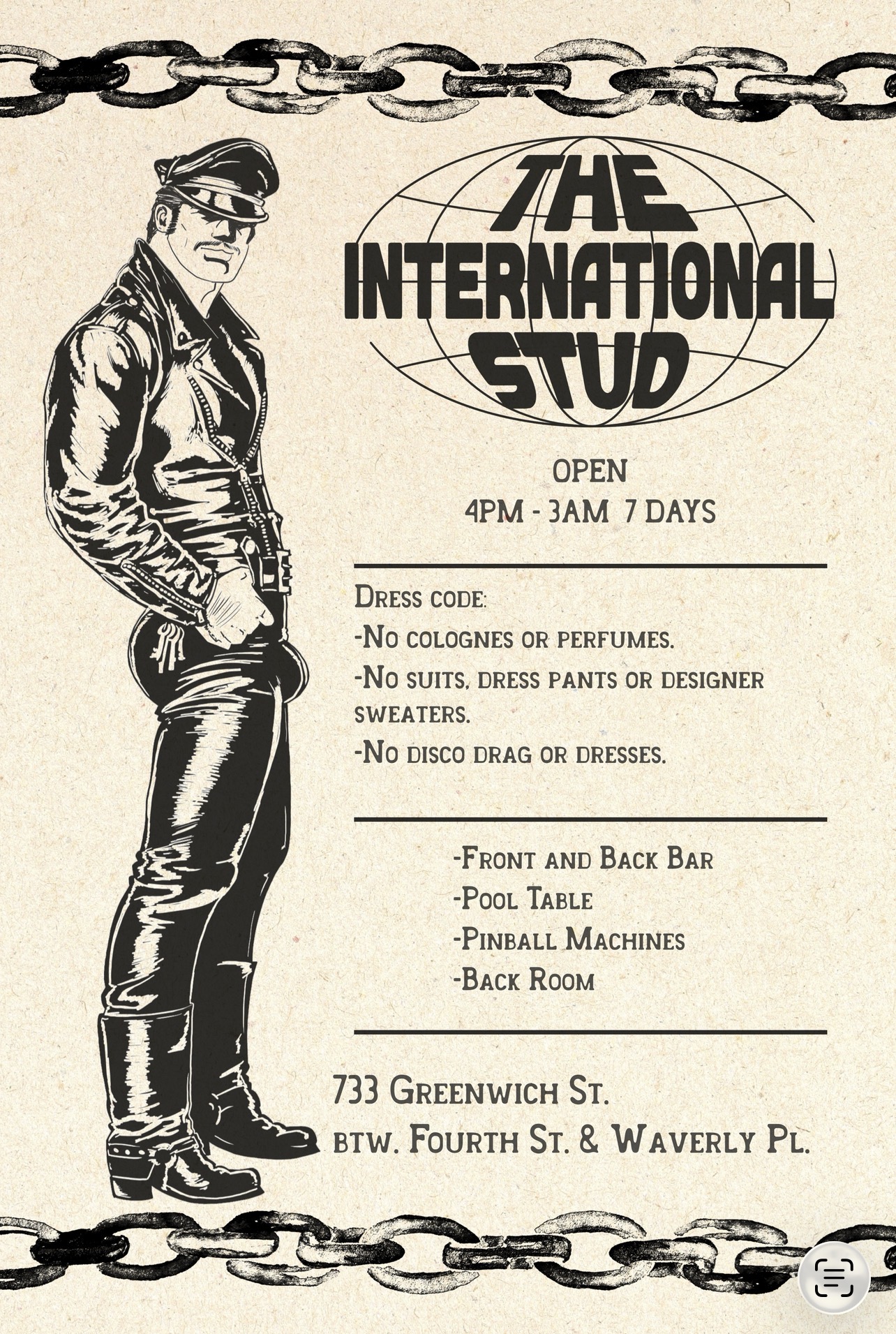
Certain aspects that are almost incomprehensible to our younger cast (I’m thinking about the backroom scene in the International Stud Bar) are presented in ways that make audiences feel for the characters. What I’m hoping is that younger audiences understand that people in the mid-1970s faced so many of the same struggles, insecurities, worries and challenges that are faced today, but fought for them and survived. I hope young queers who see the show can find empathy for their elders and inspiration for the challenges they face today!
Thanks, Joey—such insightful answers! Good luck with the run.
Readers, get your tickets here.
{KA}