
Calgary’s queer history is closer than you might think. It lives in our parks and theatres, former nightclubs and community spaces—and in the stories of people who fought, organized, celebrated and created community here. This Pride season, go beyond the parade with these 10 ways to explore Calgary’s 2SLGBTQ+ history.
1. Test Your Knowledge at Queer History Trivia
Kick things off tonight at Lougheed House on August 27 with Trivia Night: The Queer History of Pride. This free, 18+ event explores queer history through the ages, with a special focus on Calgary.
Doors open at 6:30 p.m., and trivia begins at 7 p.m. No registration is required, but seating is limited and available on a first-come, first-served basis.
2. Stand Where Calgary’s First Pride Rally Happened
Visit Central Memorial Park, where approximately 140 people gathered for Calgary’s first political Pride rally in June 1990.
Some participants wore masks or paper bags over their heads because they feared being publicly identified as gay or lesbian. Standing there today reminds us how dramatically public 2SLGBTQ+ visibility in Calgary has changed.
3. Explore Transgender History at the CIH Pride Lecture
On September 2 at 7 p.m., historian Dr. Howard Chiang presents Decolonizing Transgender History: The View from the Asia Pacific as part of the Calgary Institute for the Humanities’ annual Queer History Lecture.
This free public event asks us to reconsider how transgender history is written. Drawing on examples from the Sinophone Pacific, Chiang explores gender diversity while questioning whether Western ideas about “transgender” always provide the best framework for understanding experiences in other cultures.
4. See Torch Song and Step Back into the 1970s
From October 1–10, Scorpio Theatre presents Harvey Fierstein’s Torch Song at Calgary’s Pumphouse Theatres.
Set between 1974 and 1980, the landmark play provides a window into gay life after Stonewall and before the AIDS crisis. Director Joey Sayer first directed the play in Calgary in 1990 at the old Forest Lawn Library theatre. For this production, historical material will help audiences better understand the queer world in which the story takes place.
5. Learn About Everett Klippert
Discover the remarkable—and troubling—story of Everett Klippert, a Calgary bus driver who became the last Canadian to be imprisoned for homosexuality.

Klippert was declared a “dangerous sexual offender” and given an indefinite prison sentence simply because he was gay. His case reached the Supreme Court of Canada and became part of the national debate that preceded the partial decriminalization of homosexuality in Canada in 1969.
Watch the award-winning short documentary Gross Indecency: The Everett Klippert Story, which follows Calgary Gay History Project historian Kevin Allen as he investigates Klippert’s life and legacy. The film won Best Alberta Short at the 2018 Calgary International Film Festival.
6. Visit Lois Szabo Commons
Visit Lois Szabo Commons in Calgary’s Beltline and discover the story of one of the city’s pioneering 2SLGBTQ+ community builders. Szabo was one of the founders of Club Carousel, the private social club established in 1970 that became an important gathering place for Calgary’s gay community at a time when openly queer spaces were rare.
Today, the park bearing her name puts that history directly into Calgary’s landscape.
7. Read Not So Normal
Sometimes the best way to understand history is through someone who lived it.
In Not So Normal: Memoirs of a Gay Boomer, Tom Symington recalls growing up gay in postwar Calgary and navigating a society where homosexuality carried stigma, discrimination and very real legal consequences.
His memoir provides a personal window into decades of enormous change in gay life and 2SLGBTQ+ rights—and reminds us how much can change within a single lifetime.
8. Listen to Late in ’88
Put on your headphones and experience Calgary queer history as oral history with Late in ’88, the podcast created by Bronwin Parks and Elinor Svoboda.
Season Two jumps ahead to 1998 and asks what had changed for queer youth during the previous decade—and what hadn’t. They interview many special guests, including Calgary-raised musicians Tegan Quin, Rae Spoon, and historian Kevin Allen. The podcast reminds us that queer history doesn’t just happen in legislatures and courtrooms. It happens in classrooms, social circles, and the memories people carry.
9. Explore A Queer Map of Calgary
Turn the city itself into a history lesson with A Queer Map: A Guide to the LGBTQ+ History of Calgary.
Created through the Calgary Atlas Project using research from the Calgary Gay History Project, the map identifies significant gathering places, organizations, bars and sites of activism and resistance.
Use it to create your own queer history walking tour and discover the stories hiding behind familiar Calgary streets and buildings.
10. Read Our Past Matters
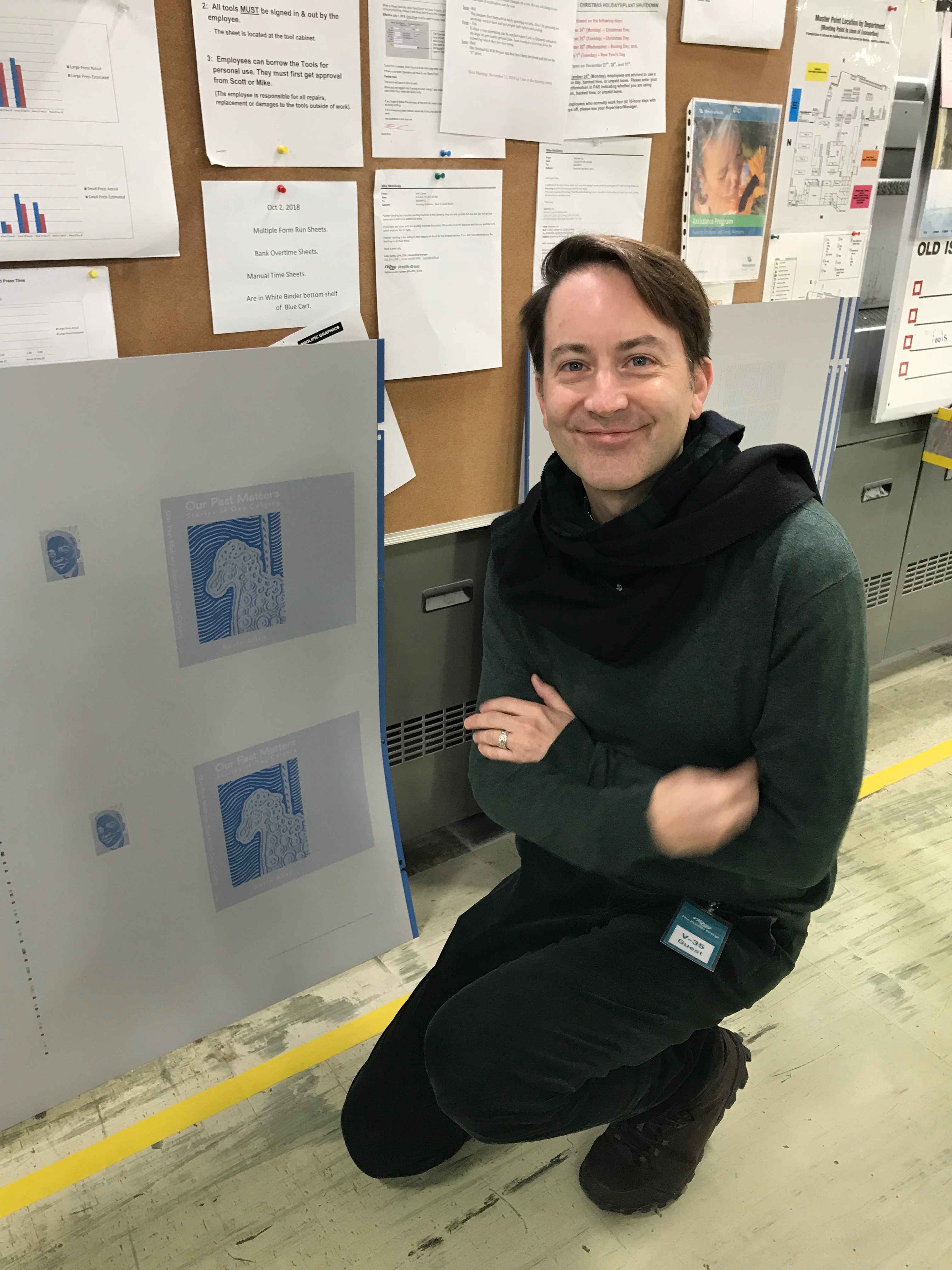
Finally, if you want to understand how all these stories fit together, pick up Kevin Allen’s Our Past Matters: Stories of Gay Calgary.
The book brings together stories of the people, gathering places, organizations, scandals and political struggles that shaped gay life in Calgary. It’s an ideal starting point for anyone who wants to dig deeper into the city’s 2SLGBTQ+ past.
Calgary’s queer history isn’t just something to read about. It’s something you can walk through, listen to, watch onstage and experience for yourself. Love your City; Know your City. Happy Pride!
{KA}


