Tag Archives: books

10 Ways to Explore Calgary’s Queer History This Pride Season

Calgary’s queer history is closer than you might think. It lives in our parks and theatres, former nightclubs and community spaces—and in the stories of people who fought, organized, celebrated and created community here. This Pride season, go beyond the parade with these 10 ways to explore Calgary’s 2SLGBTQ+ history.

1. Test Your Knowledge at Queer History Trivia

Kick things off tonight at Lougheed House on August 27 with Trivia Night: The Queer History of Pride. This free, 18+ event explores queer history through the ages, with a special focus on Calgary.

Doors open at 6:30 p.m., and trivia begins at 7 p.m. No registration is required, but seating is limited and available on a first-come, first-served basis.

2. Stand Where Calgary’s First Pride Rally Happened

Visit Central Memorial Park, where approximately 140 people gathered for Calgary’s first political Pride rally in June 1990.

Some participants wore masks or paper bags over their heads because they feared being publicly identified as gay or lesbian. Standing there today reminds us how dramatically public 2SLGBTQ+ visibility in Calgary has changed.

3. Explore Transgender History at the CIH Pride Lecture

On September 2 at 7 p.m., historian Dr. Howard Chiang presents Decolonizing Transgender History: The View from the Asia Pacific as part of the Calgary Institute for the Humanities’ annual Queer History Lecture.

This free public event asks us to reconsider how transgender history is written. Drawing on examples from the Sinophone Pacific, Chiang explores gender diversity while questioning whether Western ideas about “transgender” always provide the best framework for understanding experiences in other cultures.

4. See Torch Song and Step Back into the 1970s

From October 1–10, Scorpio Theatre presents Harvey Fierstein’s Torch Song at Calgary’s Pumphouse Theatres.

Set between 1974 and 1980, the landmark play provides a window into gay life after Stonewall and before the AIDS crisis. Director Joey Sayer first directed the play in Calgary in 1990 at the old Forest Lawn Library theatre. For this production, historical material will help audiences better understand the queer world in which the story takes place.

5. Learn About Everett Klippert

Discover the remarkable—and troubling—story of Everett Klippert, a Calgary bus driver who became the last Canadian to be imprisoned for homosexuality.

Everett Klippert (top middle) and his brothers and father—”The Klippert Nine” baseball team.

Klippert was declared a “dangerous sexual offender” and given an indefinite prison sentence simply because he was gay. His case reached the Supreme Court of Canada and became part of the national debate that preceded the partial decriminalization of homosexuality in Canada in 1969.

Watch the award-winning short documentary Gross Indecency: The Everett Klippert Story, which follows Calgary Gay History Project historian Kevin Allen as he investigates Klippert’s life and legacy. The film won Best Alberta Short at the 2018 Calgary International Film Festival.

6. Visit Lois Szabo Commons

Visit Lois Szabo Commons in Calgary’s Beltline and discover the story of one of the city’s pioneering 2SLGBTQ+ community builders. Szabo was one of the founders of Club Carousel, the private social club established in 1970 that became an important gathering place for Calgary’s gay community at a time when openly queer spaces were rare.

Today, the park bearing her name puts that history directly into Calgary’s landscape.

7. Read Not So Normal

Sometimes the best way to understand history is through someone who lived it.

In Not So Normal: Memoirs of a Gay Boomer, Tom Symington recalls growing up gay in postwar Calgary and navigating a society where homosexuality carried stigma, discrimination and very real legal consequences.

His memoir provides a personal window into decades of enormous change in gay life and 2SLGBTQ+ rights—and reminds us how much can change within a single lifetime.

8. Listen to Late in ’88

Put on your headphones and experience Calgary queer history as oral history with Late in ’88, the podcast created by Bronwin Parks and Elinor Svoboda.

Season Two jumps ahead to 1998 and asks what had changed for queer youth during the previous decade—and what hadn’t. They interview many special guests, including Calgary-raised musicians Tegan Quin, Rae Spoon, and historian Kevin Allen. The podcast reminds us that queer history doesn’t just happen in legislatures and courtrooms. It happens in classrooms, social circles, and the memories people carry.

9. Explore A Queer Map of Calgary

Turn the city itself into a history lesson with A Queer Map: A Guide to the LGBTQ+ History of Calgary.

Created through the Calgary Atlas Project using research from the Calgary Gay History Project, the map identifies significant gathering places, organizations, bars and sites of activism and resistance.

Use it to create your own queer history walking tour and discover the stories hiding behind familiar Calgary streets and buildings.

10. Read Our Past Matters

Finally, if you want to understand how all these stories fit together, pick up Kevin Allen’s Our Past Matters: Stories of Gay Calgary.

The book brings together stories of the people, gathering places, organizations, scandals and political struggles that shaped gay life in Calgary. It’s an ideal starting point for anyone who wants to dig deeper into the city’s 2SLGBTQ+ past.
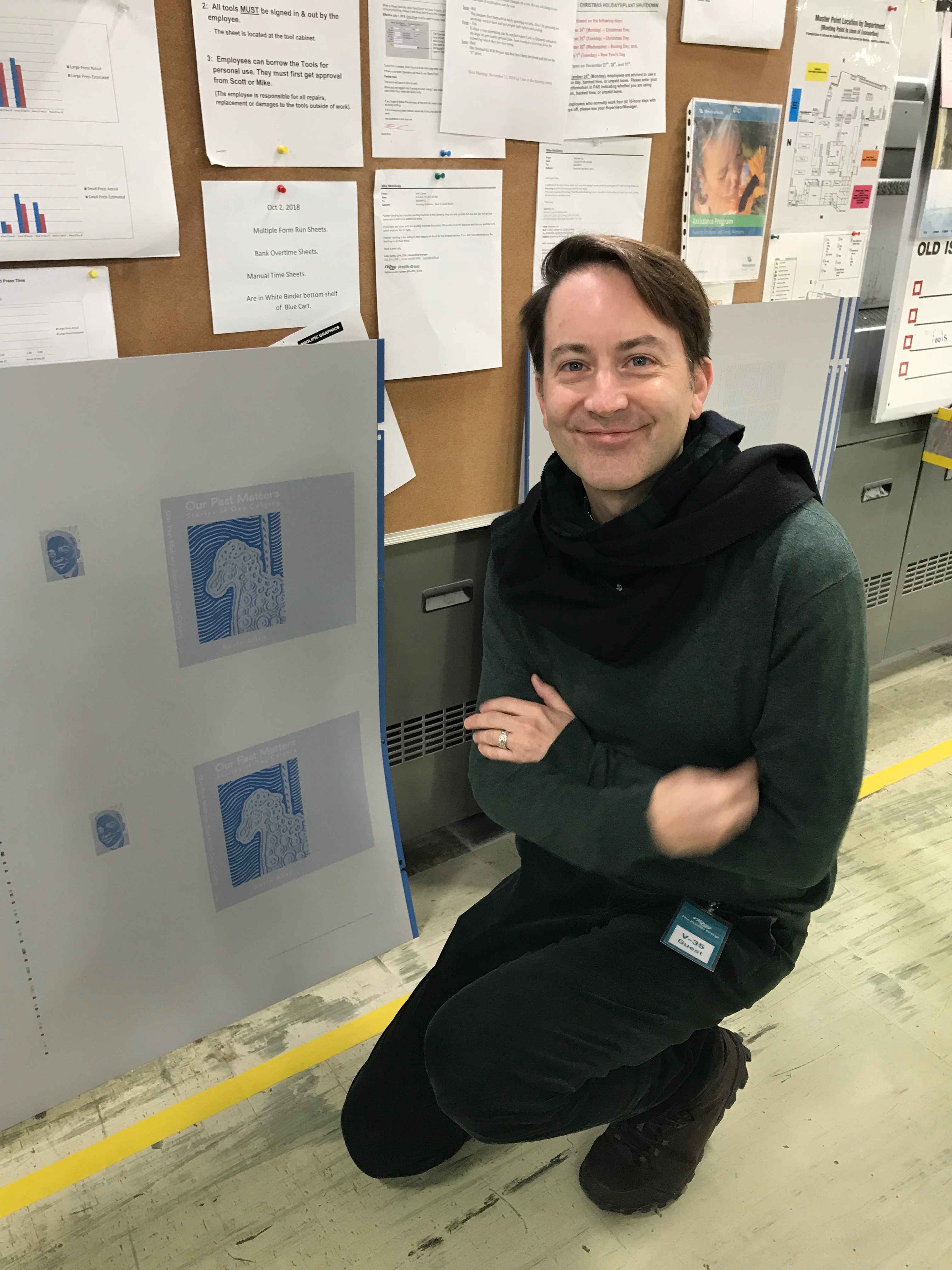
Author Kevin Allen with the print negatives of Our Past Matters in 2018

Calgary’s queer history isn’t just something to read about. It’s something you can walk through, listen to, watch onstage and experience for yourself. Love your City; Know your City. Happy Pride!

{KA}
Mapping History Exhibition Launch

The launch of Mapping History: The Calgary Atlas Project at Lougheed House is more than a conventional exhibition opening; it is a layered reimagining of how cities remember themselves. Running from April 2 to May 17, 2026, the exhibit transforms historical maps into immersive artworks, inviting visitors to explore Calgary through stories that are often overlooked or erased.

The Lougheed House Exhibition runs April 2 – May 17 at 707 13 Ave SW.

The Calgary Institute for the Humanities (CIH) founded the Calgary Atlas Project ten years ago. The idea was to create maps that recover crucial stories about Calgary’s past and present, stories that illuminate, in surprising ways, the character and diversity of the city. Overlooked stories from Calgary’s history are mapped onto the city’s geography, highlighting significant sites, events, and people. This is cartography as a cultural practice, an evolving atlas of human experience.

We were delighted to be involved with the Calgary Atlas Project at its inception. A Queer Map: A Guide to the LGBTQ+ History of Calgary was notably the first map produced in the series. The queer map documents community spaces, activism, and everyday life, tracing a history that has often been underrepresented in official records. By mapping sites of resistance and belonging—from nightlife venues to organizing hubs—the project demonstrates how queer communities have shaped the city in both visible and hidden ways.

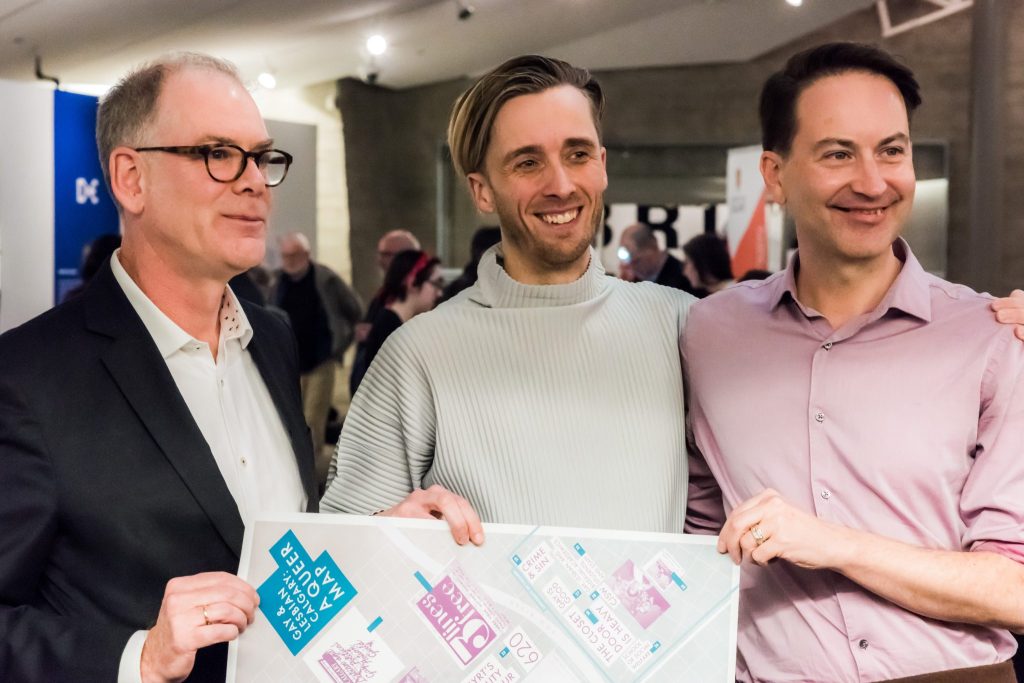
The Queer Map Launch on November 21, 2019, with the CIH’s Jim Ellis, artist Mark Clintberg and historian Kevin Allen // Photo by Hesam Rezaei, The Gauntlet.

The Lougheed House itself has queer history, as the site of the Fruit Loop. With that in mind, Mapping History has programmed special events such as August Klintberg’s Queer History Artist Workshop, which invites participants to engage directly with 2SLGBTQIA+ histories through creative practice, drawing on archival research and artistic interpretation.

Guided walks, like the Beltline Gay History Walk, take participants into the urban landscape itself, connecting archival knowledge to physical space. These experiences underscore a key idea: that history is not confined to museums but embedded in streets, buildings, and everyday environments.

For anyone interested in art, history, or community storytelling, this is an exhibition worth experiencing firsthand. Mapping History offers not just something to look at, but an opportunity to see Calgary differently and to understand how its stories have been shaped. Whether you attend a workshop, join a guided walk, or simply spend time with the maps themselves, the exhibition invites you to become part of the conversation.

{KA}

Freedom to Read: Why Calgary Libraries Are Standing Up for 2SLGBTQ+ Voices!

In an era where book bans are returning to North America, the Calgary Public Library’s “Freedom to Read” initiative stands as a powerful reminder that access to ideas matters. Rooted in the principle of intellectual freedom, the initiative highlights not only the importance of freedom of expression but also the growing challenges faced by 2SLGBTQ+ literature.

Each year, the library participates in Canada’s national Freedom to Read Week, a campaign that pushes back against censorship. Through curated displays, events, and outreach, the library encourages readers to engage with ideas that may challenge or expand their worldview. As CEO, Sarah Meilleur noted in a press release, libraries exist to provide access and not to filter viewpoints, because meaningful dialogue depends on exposure to difference.

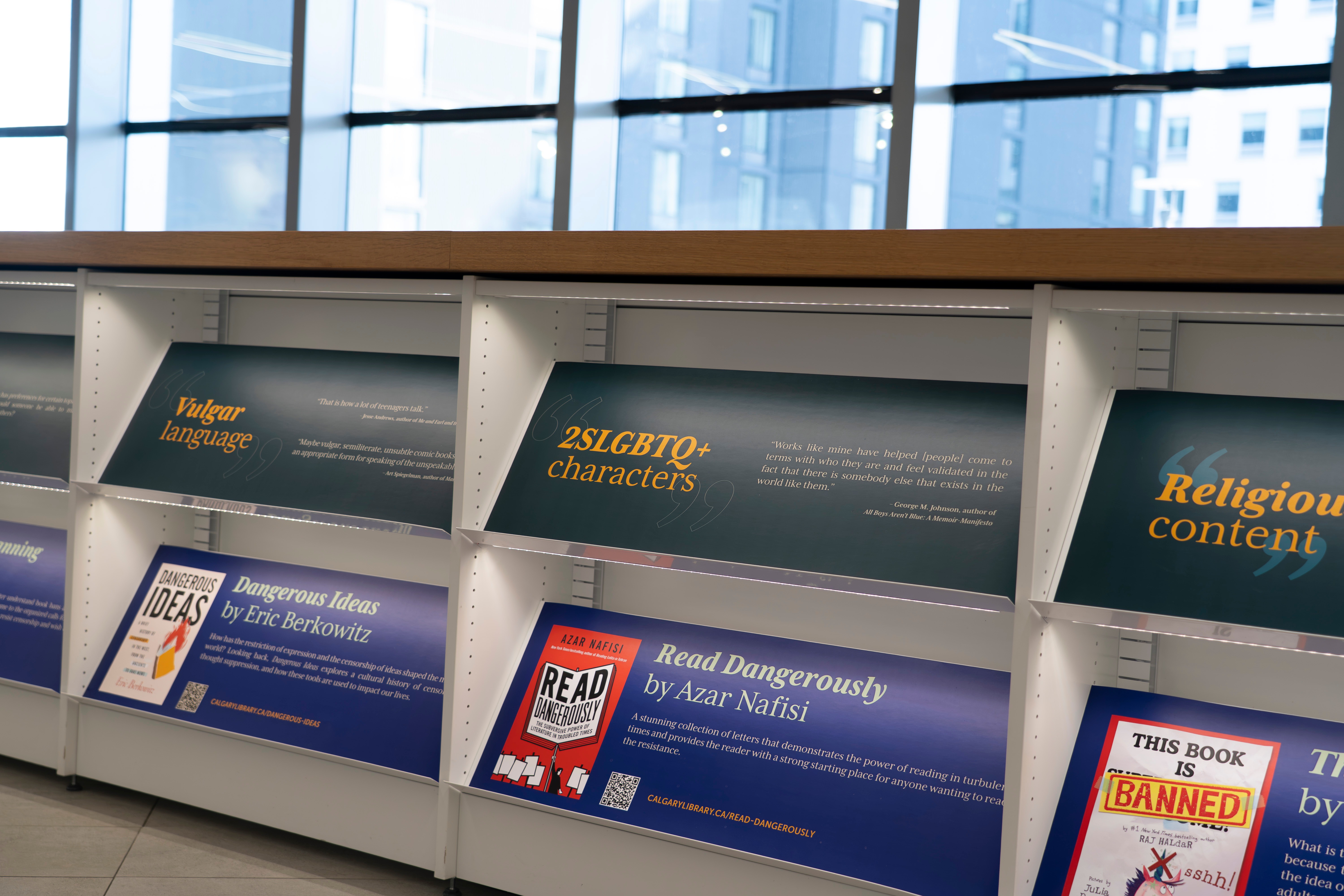
One of the most compelling initiatives is the Central Library’s “Book Sanctuary,” which showcases titles that have been challenged or banned. The display is meant not only to inform, but to spark reflection. As the Library’s Leanne Hooper explains, “The Book Sanctuary is designed to raise awareness around the freedom to read and to share more about your right to access books that have been challenged or banned.” That mission feels especially urgent as censorship debates increasingly target books by and about 2SLGBTQ+ people.

A display at the Central Library’s Book Sanctuary. Photo: Calgary Public Library

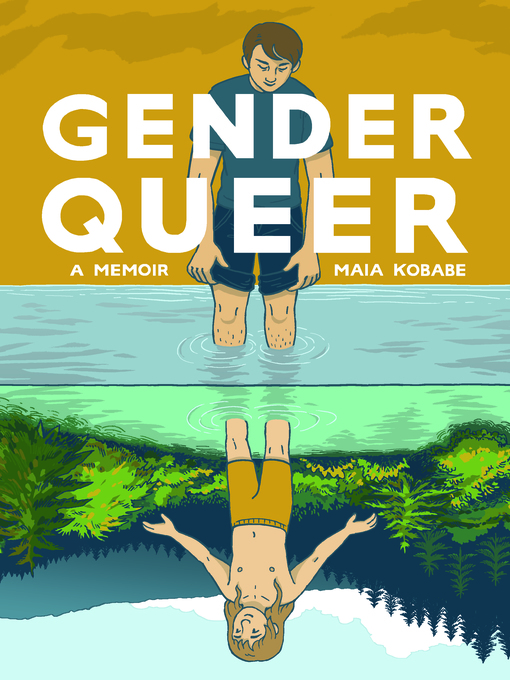
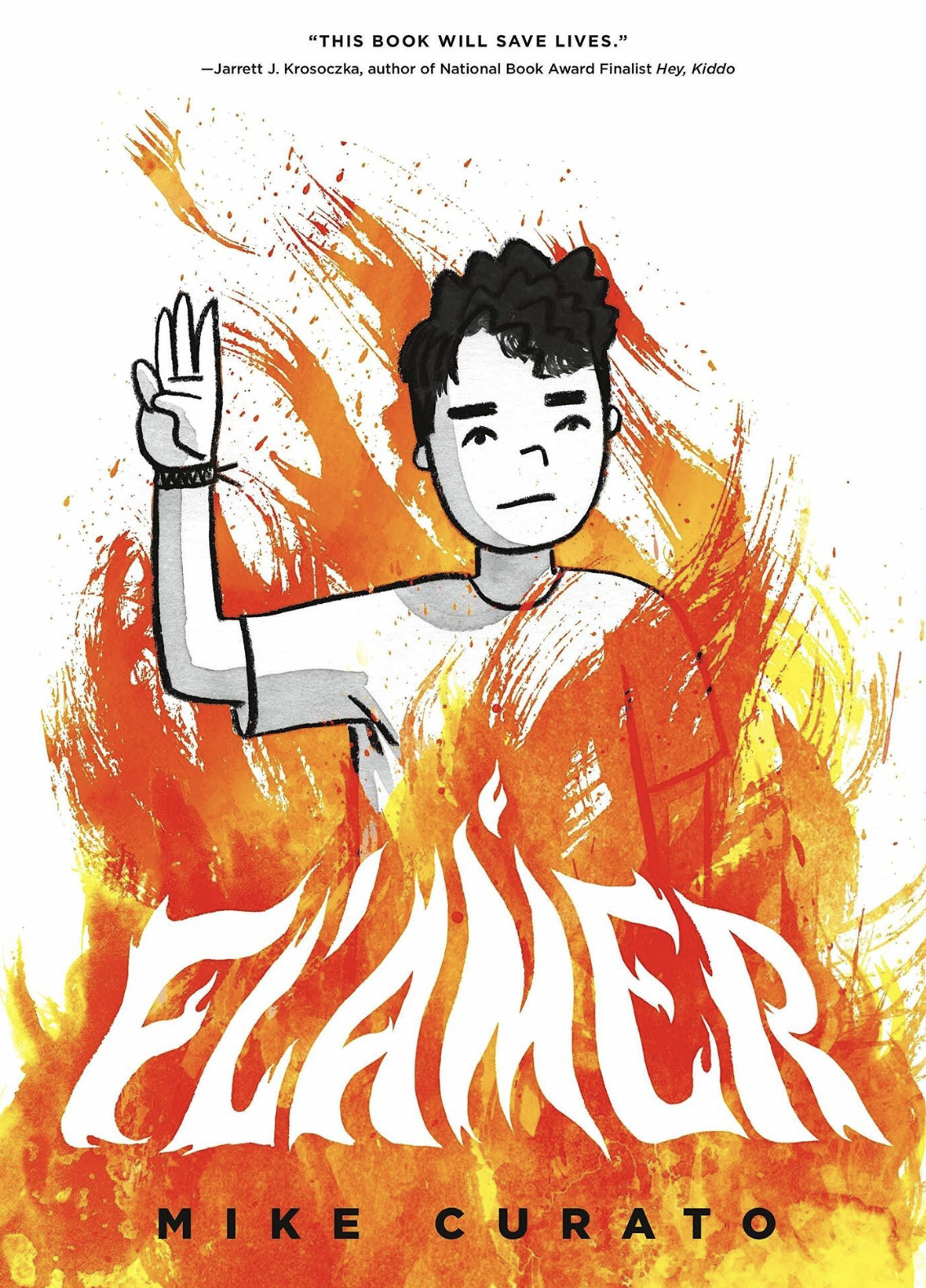
In that vein, the Alberta Government has specifically targeted graphic novels such as Gender Queer by Maia Kobabe, Fun Home by Alison Bechdel, and Flamer by Mike Curato, which explore identity, belonging, and coming-of-age experiences. Ironically, it is these same qualities that make them targets of social conservatives, with critics labelling them inappropriate and pornographic despite their literary and social value.

Efforts to remove “sexually explicit” material from the Alberta school libraries have disproportionately affected books with 2SLGBTQ+ themes, raising concerns among educators and limiting the diversity of stories available to young readers. And of course, when one reads the graphic novels listed above, the claim that they are pornographic is laughable {they were not on our radar before the ban, but we read them and found them incredibly tame—and excellent}.

Against this backdrop, Calgary Public Library’s stance is clear: banning books does not protect communities—it limits them. Intellectual freedom means ensuring access to a wide range of ideas, even those that may be controversial or challenging. These stories foster empathy, critical thinking, and a deeper understanding of one another.

Ultimately, the “Freedom to Read” initiative is about more than books. It is about protecting the right to explore identity, to question norms, and to hear voices that historically have been marginalized. By championing banned 2SLGBTQ+ literature, Calgary’s libraries are not just preserving stories—they are defending the idea that everyone deserves to be seen, heard, and read.

{KA}

p.s. Here is a recent CBC video featuring Elamin Abdelmahmoud interviewing author Ira Wells, explaining why book banning initiative is ‘an affront to democracy.’