Tag Archives: Central Library

I’m heartbroken over Harry…

This week, Calgary lost one of its most accomplished storytellers with the death of Harry “the Historian” Sanders. For many, Harry brought Calgary’s past to life through his writing, research, walking tours, and countless conversations about the city he knew so well. For me, his loss is also personal. Harry was a colleague, a fellow researcher, and someone I shared a love of Calgary history with.

Harry Sanders circa 1995, in the University of Calgary’s alumni magazine.

Decades ago, Harry and I worked together at the Central Library, and although I came late to the history community, Harry welcomed me with open arms. Since the Calgary Gay History Project was founded in 2012, we’ve shared historical information, compared discoveries, and helped one another track down the details that turn an interesting story into an accurate one. Harry had an extraordinary store of knowledge, but what I especially appreciated was his generosity with it.

Dozens of times over the years, Harry came across pieces of Calgary’s gay history while pursuing his own research and made a point of passing them along to me. A newspaper clipping, a name, an event, an unexpected connection—if Harry bumped into something he thought would be useful to my research, he made sure I had it. Those exchanges meant a great deal to me. They also said something fundamental about Harry: history was never something to possess or guard. It was something to share.
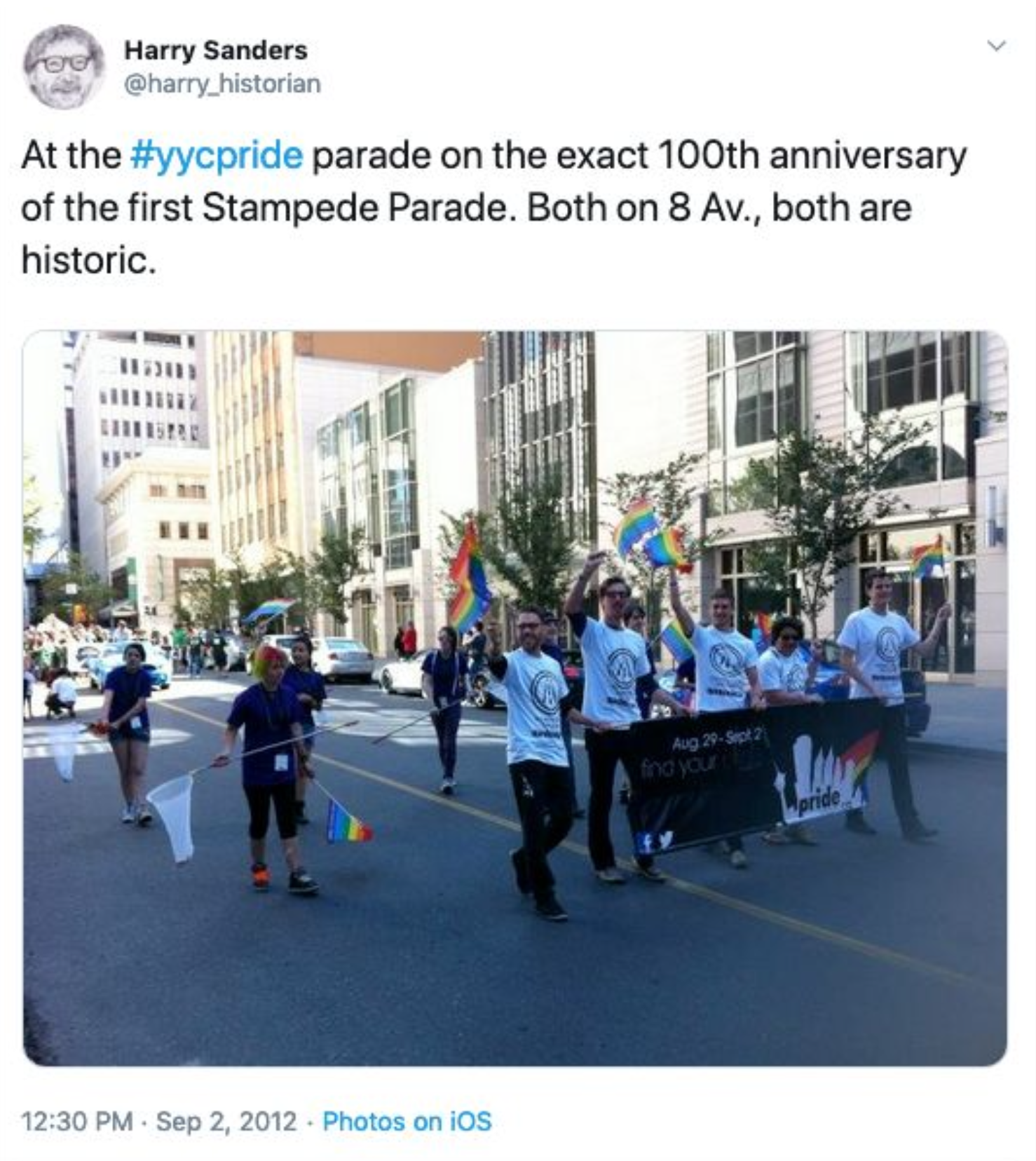
A tweet from Harry in 2012

That generosity extended far beyond his colleagues. Through his books, research, public appearances and walking tours, Harry had a wonderful ability to make local history engaging and accessible. Most recently, he became editor of Alberta History magazine, succeeding another legend of Alberta history, Hugh Dempsey. It was a fitting passing of the torch between two remarkable keepers of Alberta’s stories.

In a CBC memorial interview this week, Harry’s friend Bob van Wegan said his death leaves a “Harry-shaped crater” in Calgary’s historical community. Harry created an impressive body of work, but his legacy also lives on in countless smaller acts of generosity—the discoveries shared, the questions answered, the connections made, and the curiosity encouraged.

Harry was an extraordinary historian. His passion for history was inspiring. The stories he gave us will endure.

Calgary knows itself better because Harry Sanders cared so deeply. I feel fortunate to have been his colleague, and I will miss him greatly.

{KA}
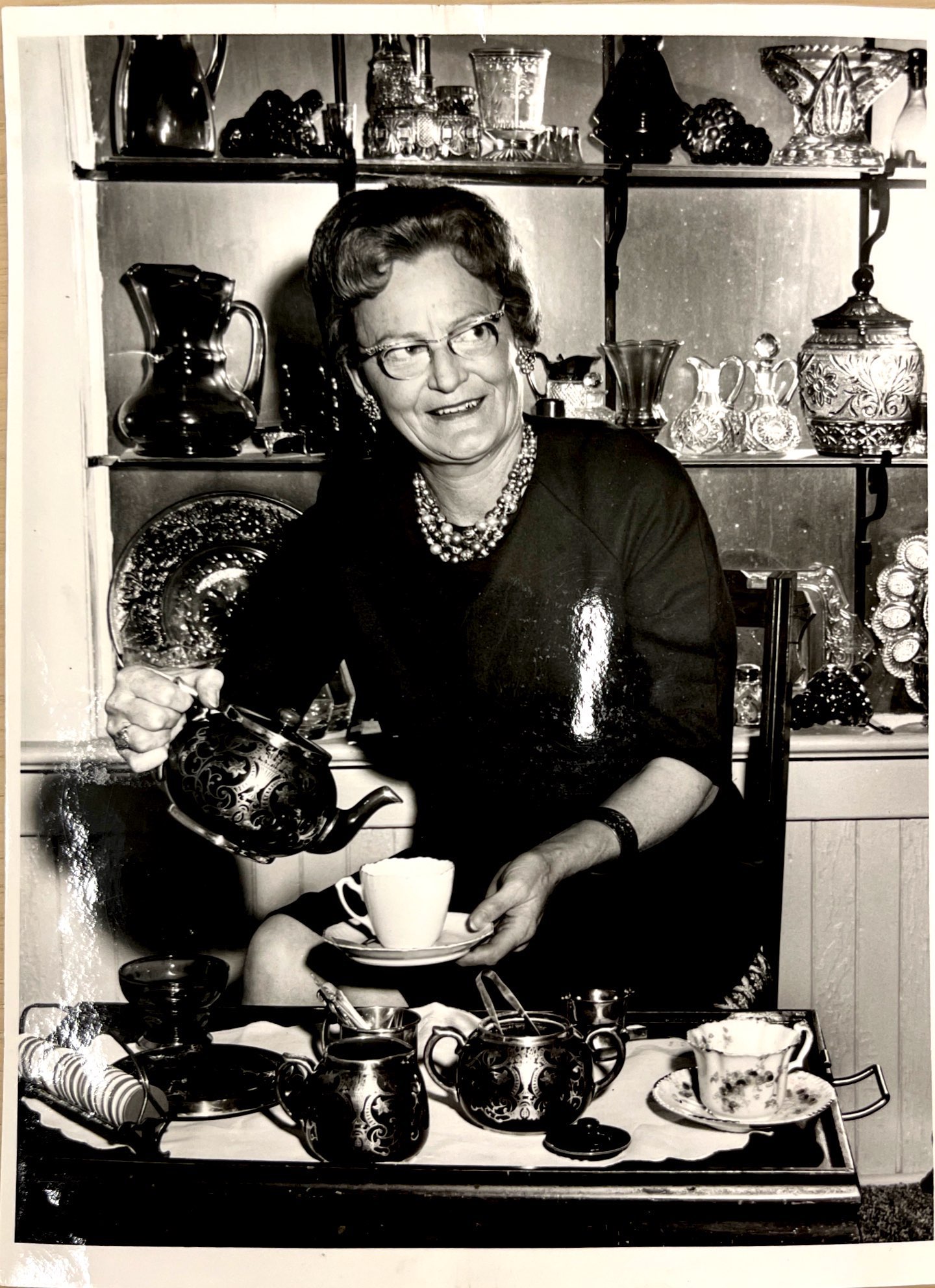
Spilling the tea about Dorothy at Historic Calgary Week!

One of the highlights of every Calgary summer is Historic Calgary Week, running July 24 – August 3, when history enthusiasts gather to explore the stories, people, and places that have shaped our city. This year’s theme, “Chinook Country: Influences and Icons,” will explore the places, events, and personalities that have been important to our city.

Readers of the Calgary Gay History Project know Kevin Allen for his work uncovering and preserving Calgary’s queer history—like his parkside chat with Lois Szabo at Historic Calgary Week 2024. But, like many historians, Kevin’s curiosity extends well beyond a single subject. A love of history often leads in unexpected directions, revealing the connections between families, communities, and the city we all share.

On July 29th, Kevin is stepping away from queer history to present Fare Exchange Revisited as part of Historic Calgary Week. The presentation tells the story behind the cookbook created by his great-aunt, Dorothy Allen-Gray, and explores the history surrounding her work. The research for the project has been undertaken in collaboration with Julie Van Rosendaal, one of Canada’s best-known food writers, cookbook authors, and culinary historians. Together, they have combined family history, archival research, and a shared passion for food and storytelling to uncover a fascinating chapter of Calgary’s past.

Dorothy at home (not spilling the tea) in the 1960s

Whether we’re documenting Calgary’s 2SLGBTQ+ community or exploring stories from other corners of the city’s past, Kevin’s goal is the same: to preserve memories before they’re lost and to better understand the lives that shaped our community.

Historic Calgary Week is the perfect place for stories like these to come together, and the week is chock-o-block full of amazing programming. Events are free, but registration is required. The opening ceremony of Historic Calgary Week is this Friday at 9:30 AM at the Central Library—see you there!

{KA}

Freedom to Read: Why Calgary Libraries Are Standing Up for 2SLGBTQ+ Voices!

In an era where book bans are returning to North America, the Calgary Public Library’s “Freedom to Read” initiative stands as a powerful reminder that access to ideas matters. Rooted in the principle of intellectual freedom, the initiative highlights not only the importance of freedom of expression but also the growing challenges faced by 2SLGBTQ+ literature.

Each year, the library participates in Canada’s national Freedom to Read Week, a campaign that pushes back against censorship. Through curated displays, events, and outreach, the library encourages readers to engage with ideas that may challenge or expand their worldview. As CEO, Sarah Meilleur noted in a press release, libraries exist to provide access and not to filter viewpoints, because meaningful dialogue depends on exposure to difference.

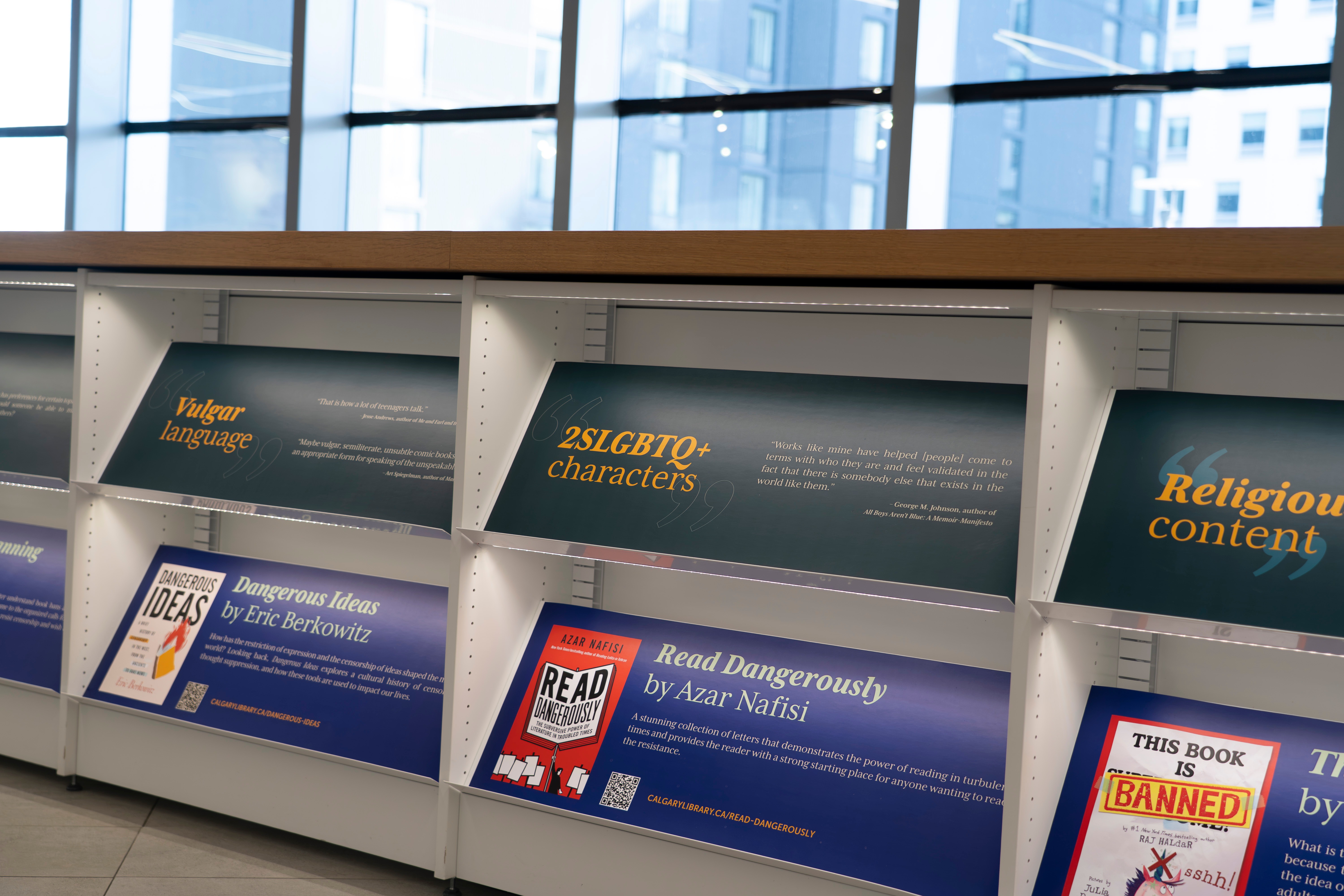
One of the most compelling initiatives is the Central Library’s “Book Sanctuary,” which showcases titles that have been challenged or banned. The display is meant not only to inform, but to spark reflection. As the Library’s Leanne Hooper explains, “The Book Sanctuary is designed to raise awareness around the freedom to read and to share more about your right to access books that have been challenged or banned.” That mission feels especially urgent as censorship debates increasingly target books by and about 2SLGBTQ+ people.

A display at the Central Library’s Book Sanctuary. Photo: Calgary Public Library

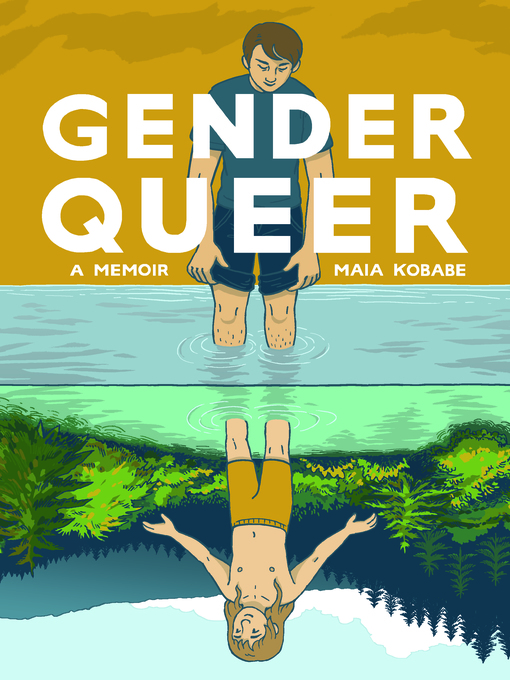
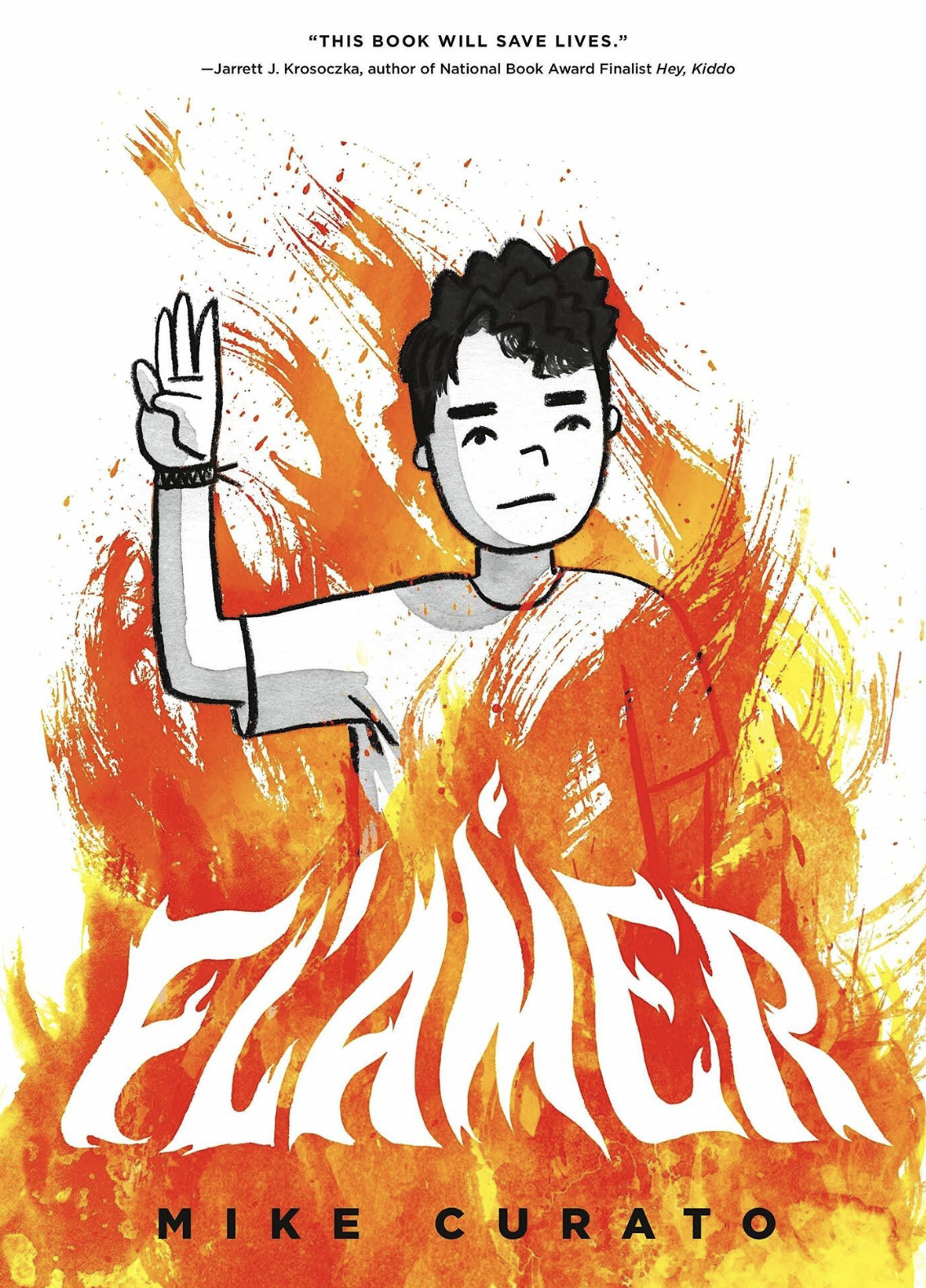
In that vein, the Alberta Government has specifically targeted graphic novels such as Gender Queer by Maia Kobabe, Fun Home by Alison Bechdel, and Flamer by Mike Curato, which explore identity, belonging, and coming-of-age experiences. Ironically, it is these same qualities that make them targets of social conservatives, with critics labelling them inappropriate and pornographic despite their literary and social value.

Efforts to remove “sexually explicit” material from the Alberta school libraries have disproportionately affected books with 2SLGBTQ+ themes, raising concerns among educators and limiting the diversity of stories available to young readers. And of course, when one reads the graphic novels listed above, the claim that they are pornographic is laughable {they were not on our radar before the ban, but we read them and found them incredibly tame—and excellent}.

Against this backdrop, Calgary Public Library’s stance is clear: banning books does not protect communities—it limits them. Intellectual freedom means ensuring access to a wide range of ideas, even those that may be controversial or challenging. These stories foster empathy, critical thinking, and a deeper understanding of one another.

Ultimately, the “Freedom to Read” initiative is about more than books. It is about protecting the right to explore identity, to question norms, and to hear voices that historically have been marginalized. By championing banned 2SLGBTQ+ literature, Calgary’s libraries are not just preserving stories—they are defending the idea that everyone deserves to be seen, heard, and read.

{KA}

p.s. Here is a recent CBC video featuring Elamin Abdelmahmoud interviewing author Ira Wells, explaining why book banning initiative is ‘an affront to democracy.’