
{Enjoy this third part in our Winter Olympic Series, written by William Bridel!}
In the lead-up to the 2014 Olympic Winter Games, held in Sochi, Russia, much attention was turned to that country’s anti-LGBTQ laws, with questions of athlete, support team, media, and fan safety brought to the forefront. And rightly so. In 2013, CTV quoted a high-ranking member of the Russian government who had stated there would be “consequences for anyone who publicly advocates homosexuality” during the Games. The International Olympic Committee (IOC) issued statements assuring athletes’ safety while reminding them that political protests are prohibited under the IOC Charter, with ramifications for those who do not abide by it. There were calls to boycott the Games or move them to a different location. However, the Games went ahead as planned. This all drove one Calgary athlete to come out publicly, with others following.
Anastasia Bucsis, a long track speedskater, came out as lesbian in the Globe and Mail on September 3, 2013—primarily to make a powerful statement about queer rights ahead of the Sochi Olympics. As Bucsis noted, “I could never promote that message of concealing who you are with all of this going on in Russia… I’m kind of happy that I did it on my own terms” (Cryderman, 2013).
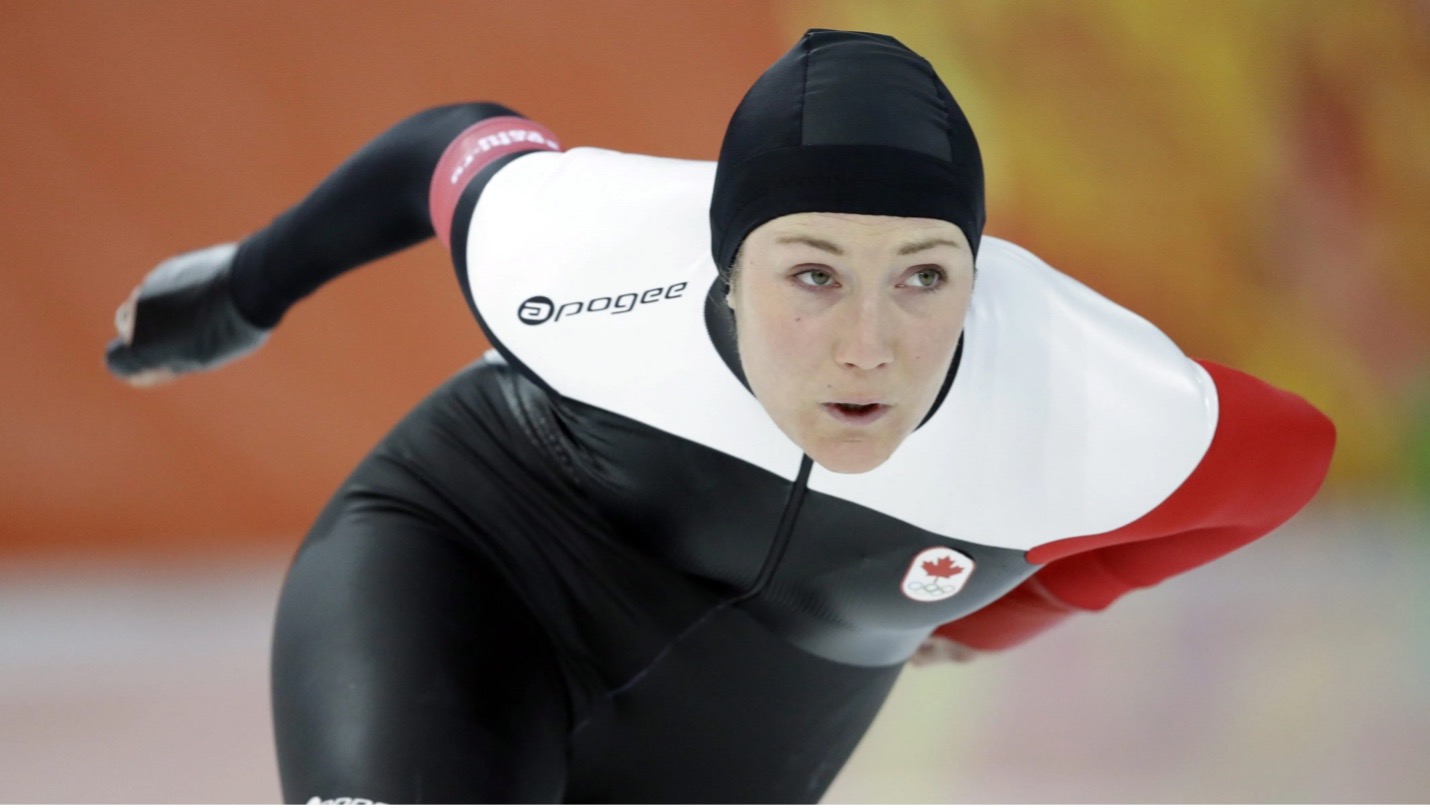
Having come out to family, friends, and within the sport in the couple of years prior, Bucsis has commented that everyone, including teammates, sponsors, and coaches, was supportive; she has recognized, however, that not everyone had the same support, knowing many athletes who left sport due to their sexuality and non-supportive environments (Silver, 2021). Bucsis was the only North American athlete to be openly queer and competing at the 2014 Games. She retired from speed skating in 2017 but has since had a very successful career in broadcasting: Bucsis is serving as the host of CBC’s prime-time show during its coverage of the 2026 Games, a role she also held two years ago during the Paris Olympics.
Another Calgarian who competed in Sochi, John Fennell, came out publicly following his participation in the 2014 Games. I was working in the United States at the time, but friends told me about the story as they knew I was researching 2SLGBTQIA+ participation in Canadian sport. I remember being somewhat in awe as it was still rare for elite athletes to be out publicly, but also because of his age—Fennell was just shy of his 19th birthday when he told Vicky Hall of the Calgary Herald that he wanted the world to know he was gay.
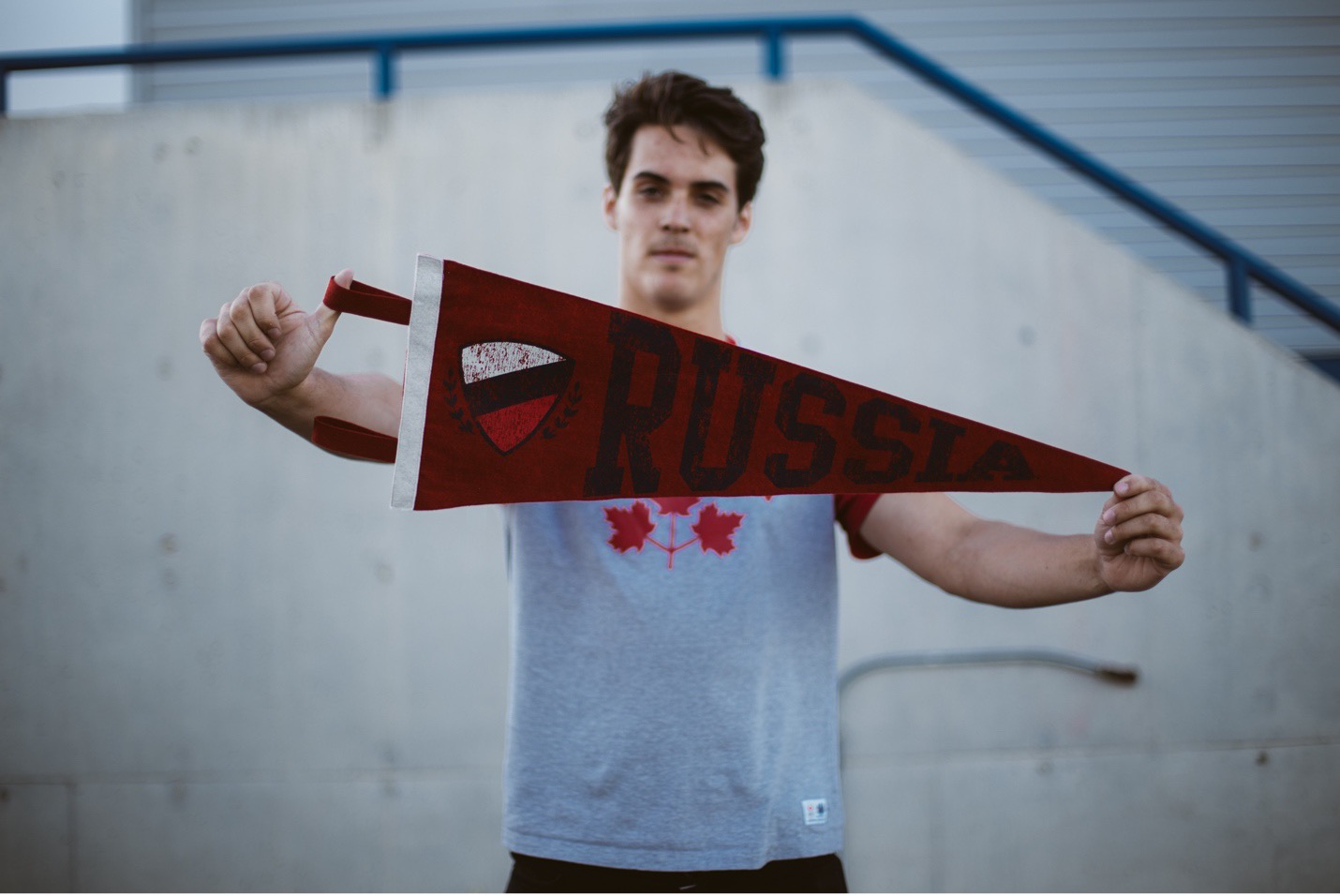
For those not familiar with luge, athletes hurl down a steep and windy ice track, feet first, on a relatively tiny sled. Not for the faint of heart to say the very least, but imagine facing that task in a country where you feel unsafe because of your sexuality. In an interview and follow-up personal communication, Fennell reflected on his experience in Sochi:
“I had been struggling with my sexuality leading up to the Games. I had not come out at all in my personal life and the discourse around LGBTQ+ rights before the Olympics in Russia began to weigh on me. When I arrived at the Olympic Village, I felt a strong sense of discomfort and that I did not belong there. This pressure took me out of the moment and added so much anxiety. After my teammates finished competing, I started speaking with them openly about how I was feeling. During my time in Sochi, I connected with other athletes and staff who had dealt with similar experiences. I started to build a safety net of people around me in Russia, which helped me feel more accepted in that environment. I will not lie, Russia felt unwelcoming to me. At the same time, that feeling pushed me to realize that our sport organizations should be doing more for all athletes—especially during that time in high performance Sport. That realization was profound. I remember thinking, ‘If I could come out in an environment like Sochi, what was stopping me from doing so in Calgary?’”
Fennell took the courage he found in Russia and began coming out to family and close friends here at home. He then took it to the next level by telling the world his story in the Herald, just three months after the end of the Games. When I asked Fennell why it was important for him to come out publicly, he had this to say:
“I wanted other athletes to know. Look, you might feel like you’re alone and you might feel like this is the end of the world, but there’s so many people who are dealing with this and, you know, everyone has a place in sport.”
He told me recently that that quote is just as true today.
Fennell continued to compete after coming out, retiring from elite competition in 2018. He has continued to champion 2SLGBTQIA+ inclusion in sport through public speaking, appearances, and involvement in initiatives such as the Canadian Olympic Committee’s #OneTeam campaign, launched in June 2015 to promote and improve queer inclusion in sport.
Eric Mitchell, who was born and raised in Calgary, didn’t compete at the Sochi Games. Four years prior, however, Mitchell—at just 17 years of age—had qualified for the Vancouver Games in ski jumping. His ascent into the upper echelons of the sport was rapid; he was really just three years out of the developmental levels of the sport when he earned his Olympic spot. Mitchell was focused on qualifying for the Sochi Games but suffered a severe concussion in August 2013. While he was able to return to training and to competition—he won the men’s event at the Canadian ski jumping championships that year—his return was too late to qualify for Sochi. Mitchell retired and focused on his studies at the University of Calgary. A conversation with Fennell, however, would draw Mitchell back into sport:
“John told me how alone and terrible he felt being in a country that put a spotlight on how it wasn’t OK to be gay in Russia. And I felt that was so wrong. How could that be? My Olympic experience was so positive, and I think it should be for everybody. What I heard from him sickened me. It pushed me to decide that this has to change. I want to affect this change.” (Zeigler, 2015)
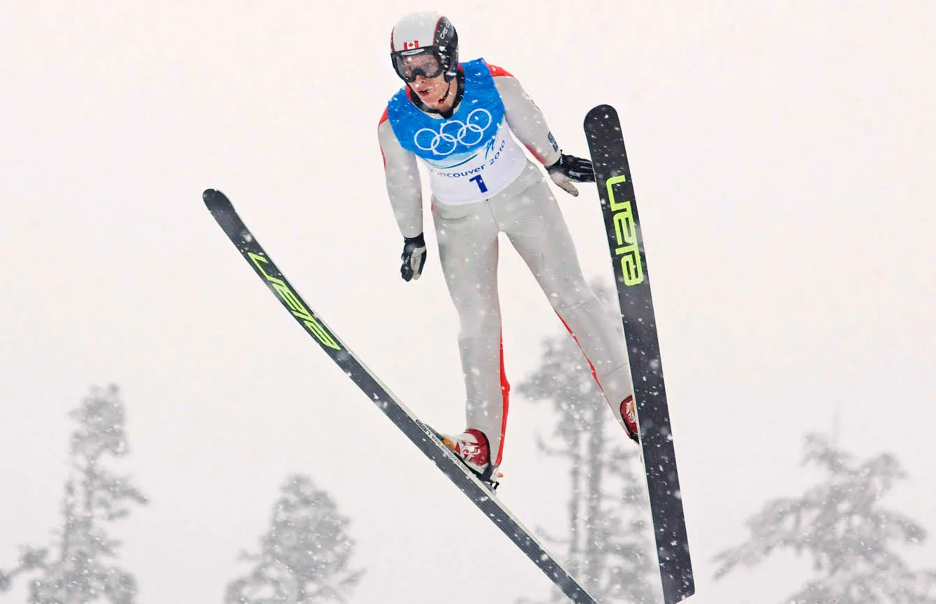
Having kept his sexuality hidden from family, friends, and within sport—the last because of homophobia often experienced in the form of gay “jokes” made by coaches and other athletes—Mitchell began to come out. He recognized he had a role to play in improving sport for other queer athletes and signed on to be a #OneTeam ambassador, a founding ambassador, in fact, as was Bucsis. In a post written for the COC and published online during Calgary’s 2015 Pride celebrations, Mitchell made it clear why he had come out publicly and gotten so involved with the COC campaign:
“Many young LGBTQ athletes still do not feel welcome within the sporting system and that is why this initiative is so important. Sport has always been able to bring people together and the #OneTeam program has created a framework of resources that will help educate everyone on how to be a better ally and help to make our country more inclusive.”
There is still a lot of work to be done in terms of the safe and meaningful inclusion of 2SLGBTQIA+ people in sport, in all roles—athlete, coach, official, administrator, media, fan. But these three queer Olympians from Calgary have certainly made a difference within sport by sharing their stories publicly and leading advocacy initiatives, while also becoming part of Calgary’s queer history.
Bucsis. Fennell. Mitchell. Olympians. Barrier breakers. Advocates. Calgarians.
{WB}
Sources
Cryderman, K. (2013, September 3). Olympic speed skater Anastasia Bucsis “so proud to be gay.” The Globe and Mail. https://www.theglobeandmail.com/sports/more-sports/olympic-speed-skater-anastasia-bucsis-so-proud-to-be-gay/article14078121/
CTV British Columbia. (2013, August 2). Calls for Olympic boycott after Russia pledges to enforce anti-gay law. CTV British Columbia. https://www.ctvnews.ca/vancouver/article/calls-for-olympic-boycott-after-russia-pledges-to-enforce-anti-gay-law/
Hall, V. (2014, May 27). Calgary Olympian finds three words liberating: “I am gay.” Calgary Herald. https://calgaryherald.com/sports/calgary-olympian-finds-three-words-liberating-i-am-gay
Mitchell, E. (2015, September 4). Mitchell: Reflections on my hometown ahead of Calgary Pride. https://olympic.ca/2015/09/04/mitchell-reflecting-on-my-hometown-ahead-of-calgary-pride/
Silver, E. (2021). Proud to play: Canadian LGBTQ+ athletes who made history. Lorimer.
Zeigler, C. (2015). How this gay Olympic ski jumper did the impossible. Outsports. https://www.outsports.com/2015/7/8/8910379/eric-mitchell-gay-canadian-olympic-skier/


 Calgary Gay History