
In an era where book bans are returning to North America, the Calgary Public Library’s “Freedom to Read” initiative stands as a powerful reminder that access to ideas matters. Rooted in the principle of intellectual freedom, the initiative highlights not only the importance of freedom of expression but also the growing challenges faced by 2SLGBTQ+ literature.
Each year, the library participates in Canada’s national Freedom to Read Week, a campaign that pushes back against censorship. Through curated displays, events, and outreach, the library encourages readers to engage with ideas that may challenge or expand their worldview. As CEO, Sarah Meilleur noted in a press release, libraries exist to provide access and not to filter viewpoints, because meaningful dialogue depends on exposure to difference.
One of the most compelling initiatives is the Central Library’s “Book Sanctuary,” which showcases titles that have been challenged or banned. The display is meant not only to inform, but to spark reflection. As the Library’s Leanne Hooper explains, “The Book Sanctuary is designed to raise awareness around the freedom to read and to share more about your right to access books that have been challenged or banned.” That mission feels especially urgent as censorship debates increasingly target books by and about 2SLGBTQ+ people.
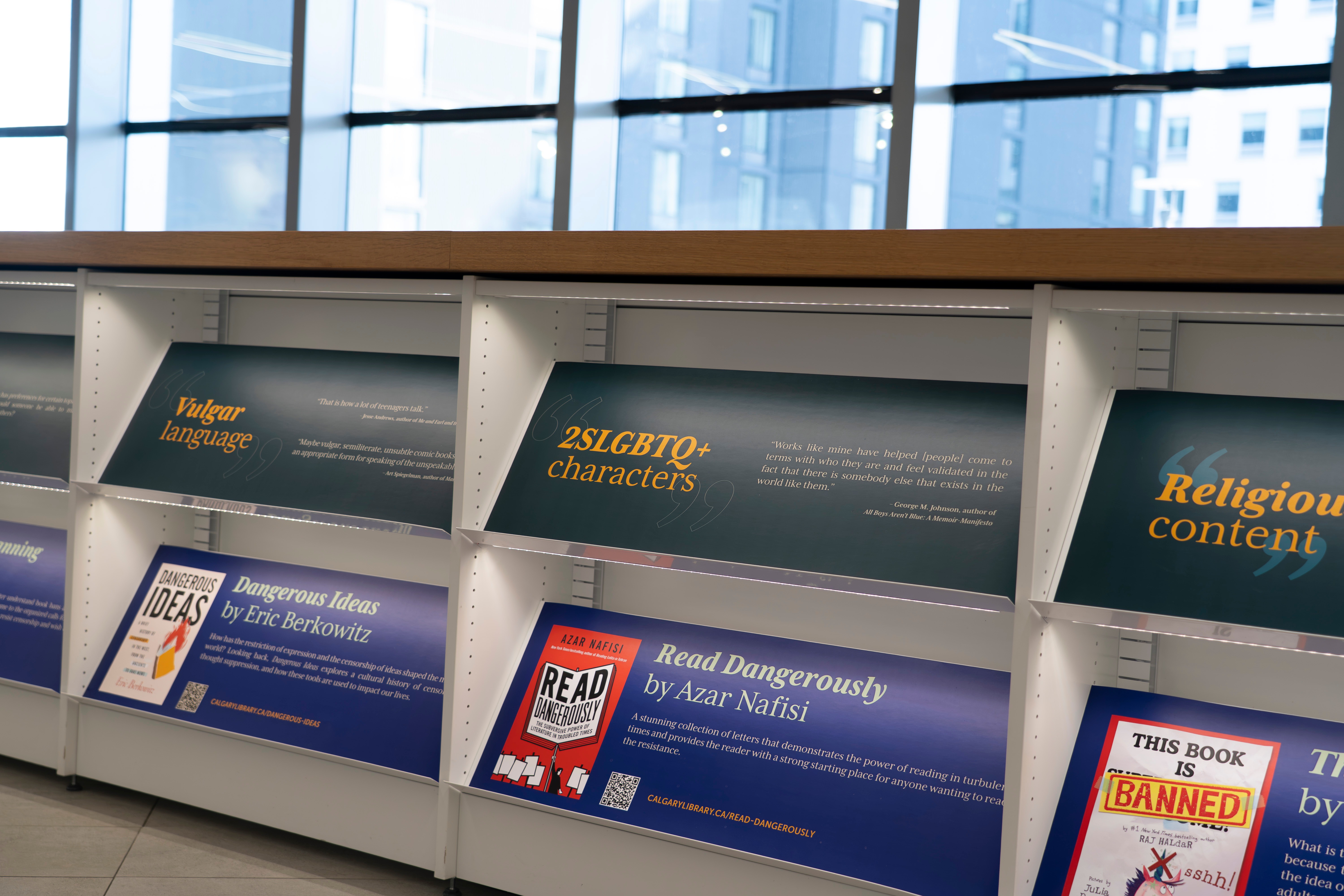
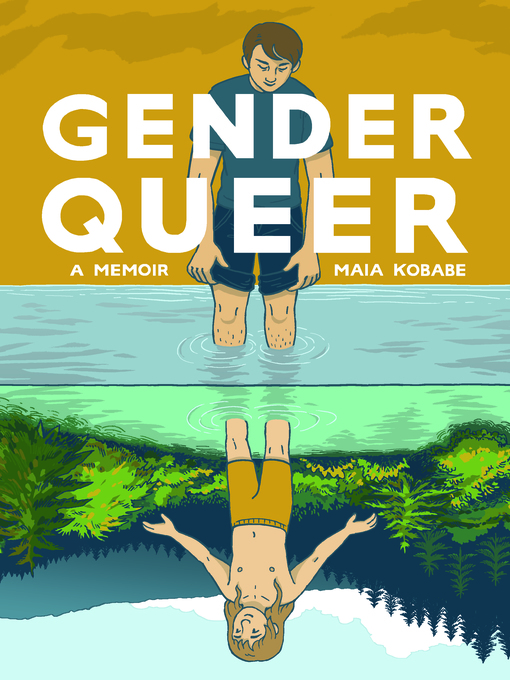
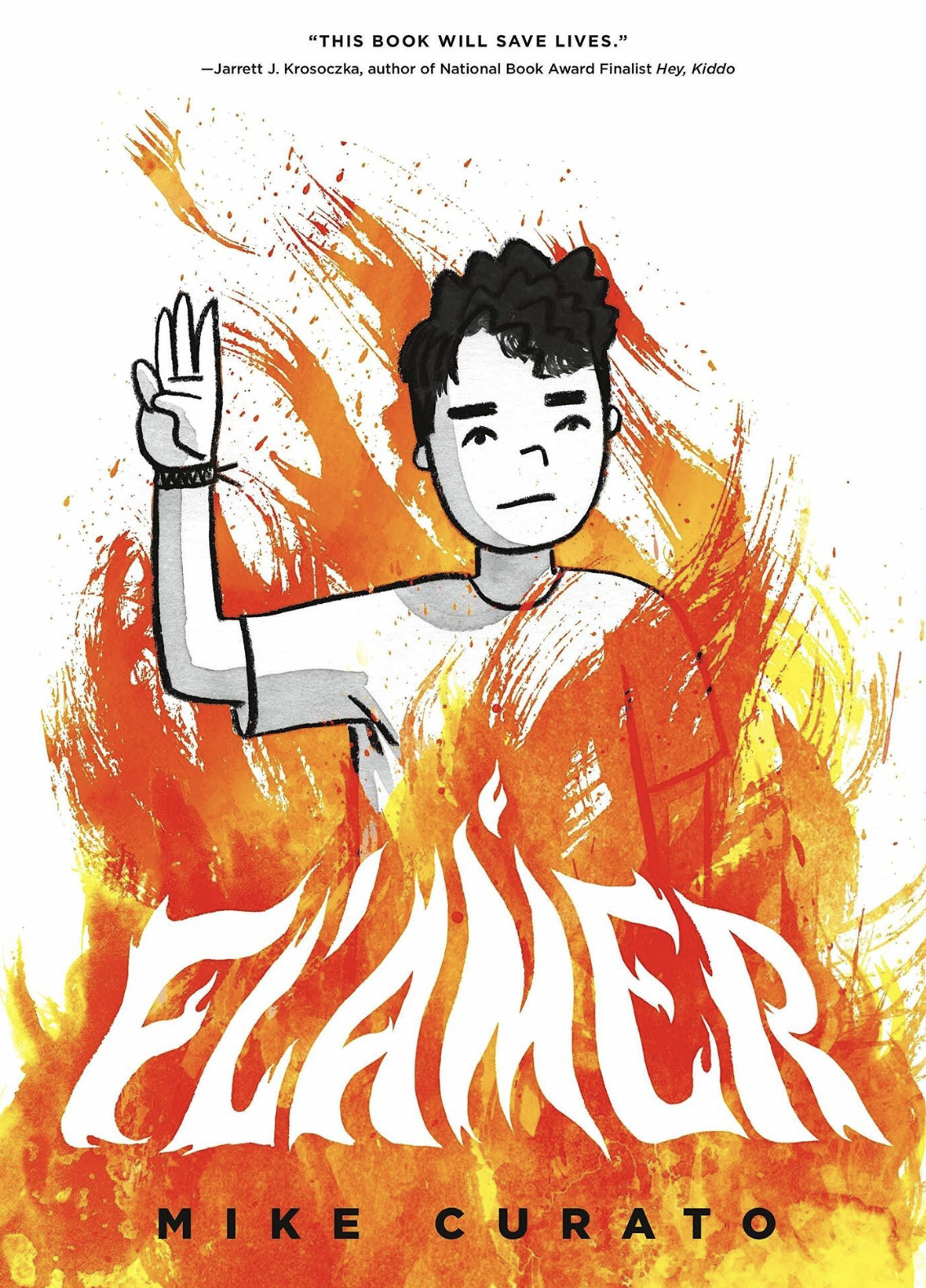
In that vein, the Alberta Government has specifically targeted graphic novels such as Gender Queer by Maia Kobabe, Fun Home by Alison Bechdel, and Flamer by Mike Curato, which explore identity, belonging, and coming-of-age experiences. Ironically, it is these same qualities that make them targets of social conservatives, with critics labelling them inappropriate and pornographic despite their literary and social value.
Efforts to remove “sexually explicit” material from the Alberta school libraries have disproportionately affected books with 2SLGBTQ+ themes, raising concerns among educators and limiting the diversity of stories available to young readers. And of course, when one reads the graphic novels listed above, the claim that they are pornographic is laughable {they were not on our radar before the ban, but we read them and found them incredibly tame—and excellent}.

Against this backdrop, Calgary Public Library’s stance is clear: banning books does not protect communities—it limits them. Intellectual freedom means ensuring access to a wide range of ideas, even those that may be controversial or challenging. These stories foster empathy, critical thinking, and a deeper understanding of one another.
Ultimately, the “Freedom to Read” initiative is about more than books. It is about protecting the right to explore identity, to question norms, and to hear voices that historically have been marginalized. By championing banned 2SLGBTQ+ literature, Calgary’s libraries are not just preserving stories—they are defending the idea that everyone deserves to be seen, heard, and read.
{KA}
p.s. Here is a recent CBC video featuring Elamin Abdelmahmoud interviewing author Ira Wells, explaining why book banning initiative is ‘an affront to democracy.’


 Calgary Gay History