Tag Archives: books

Alberta Book Banning in 1997

{Readers of the Calgary Gay History Project know we are dismayed by the Alberta Government’s banning of four graphic novels last Autumn, labelling them pornographic—which, if you read them, is easily contested. The ban is really about anti-gay and anti-trans sentiment, driven in part by the Alberta non-profit Parents for Choice in Education. Recently, our colleague William Bridel sent us an article from the Dec. 3, 1997 edition of Perceptions, a Saskatoon-based queer publication published by activist Gens Hellquist from 1983-2013. We are reprinting the article in its entirety, as the synchronicity is uncanny. -Kevin}
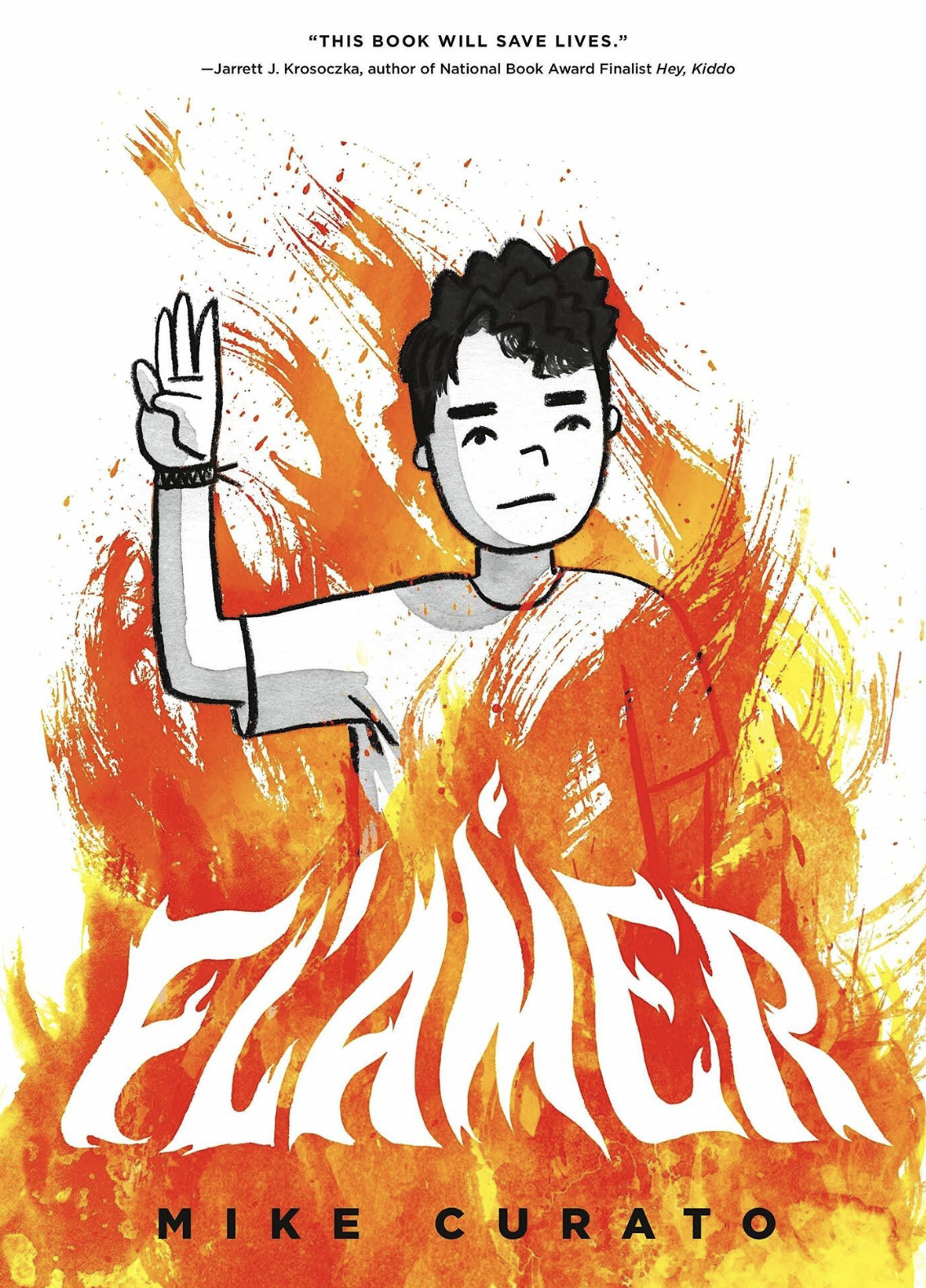
One of the four graphic novels banned in schools by the Alberta Government in Sept 2025—not pornographic, but gay.

Banning Books from Perceptions, December 3, 1997:

(Calgary) Once again an incident has occurred in Alberta that has many people wondering whether the province is becoming more redneck and falling further behind other parts of the country in providing protection against discrimination for minorities. The province has been taken to the Supreme Court over its refusal to provide protection from discrimination for lesbians and gay men, they have refused to allow lesbians and gays to be foster parents, and some MLAs called for the return of a grant which was to be used to document the history of the gay and lesbian community in Alberta.

Now the Calgary Public School Board has banned two books from its shelves after some parents complained about their “promotion of homosexuality.” Dr. Donna Michaels, the school board’s chief superintendent, admitted pulling the books off the shelves after meeting with a group called Parents’ Rights in Education (PRE). The group has been sounding an alarm about the school system allowing the “gay agenda’’ into the schools.

“In my professional judgment, I determined that the language was highly inappropriate,” Michaels said. However, she would not state publicly, or tell the school board, which books had been removed after pressure from PRE. She said the two offending books must first go before a committee set up to hear public complaints about books in the· school system, adding that the process could take a month. She said the language she objected to was pornographic and did not involve gay or lesbian themes.

Tom Crites, a spokesperson for PRE, claimed one of the banned books was the anthology Not the Only One: Lesbian and Gay Fiction for Teens edited by Tony Grima. He could not name the other book his group deemed offensive. He said he too found the swear words offensive but admitted that the real problem is that the book is about homosexuality. “It is really pro-gay,” he said. He was also concerned that many of the stories were about people’s personal coming out story, which his group finds offensive.

Crites indicated his group’s agenda of removing all reference to homosexuality from the school system is far from over. He said PRE is attempting to identify the school board employee who ordered the two offending books. “We do have our suspicions,” he said. “We’re still doing some checking around.” He also indicated that his group has identified 30 to 40 other books that address gay and lesbian issues.

Spokespeople from the gay and lesbian community said this latest move is part of an explosion in anti-gay attitudes in Alberta and a clear sign that Alberta is one of the least tolerant places in Canada. “When you sit around and chat in the community, people feel we’re behind the rest of the country,” said Roy Heale, publisher of the gay newspaper Outlooks. “As long as we continue doing this, we’re perpetuating our reputation of being redneck.”

Gail Allen, a spokesperson for PFLAG, said she could not agree with banning books from school libraries that deal with homosexuality. “I don’t think they should be pulling books from the shelves,” she said, adding that her son, who is gay, would have had a happier adolescence if he had access to books that explain the realities of being gay.

School board members also expressed concern about the removal of the books and the process that was used. “We feel that this is an important issue,” said trustee Jennifer Pollock. “It needs to be addressed.”
Winter Kept Us Warm @ 60

“Winter Kept Us Warm” comes from a line from T. S. Elliot’s poem The Wasteland, but it is also the title of a groundbreaking Canadian Film. 2025 is the 60th anniversary of the release of Winter Kept Us Warm by University of Toronto student David Secter. Cited as the first gay English-Canadian film, it received international acclaim, premiering in Cardiff, Wales, at the Commonwealth Film Festival in September 1965 (a first for a student-produced feature film). In 1966, the film was Canada’s first English language feature to be invited to the Cannes Film Festival.

Last year, a new 4K restoration of Winter Kept Us Warm was created, through Telefilm’s Reignited program, which funds the digital restoration of seminal Canadian films in collaboration with Canadian International Pictures, the avant-garde Blu-ray label resurrecting “vital, distinctive and overlooked triumphs of Canadian cinema.” Currently, the restored film is playing again in arthouse cinemas internationally. In addition, McGill University Press’s Queer Film Classics series recently launched a book by Chris Dupuis exploring the history of Secter’s movie and its cultural impact.

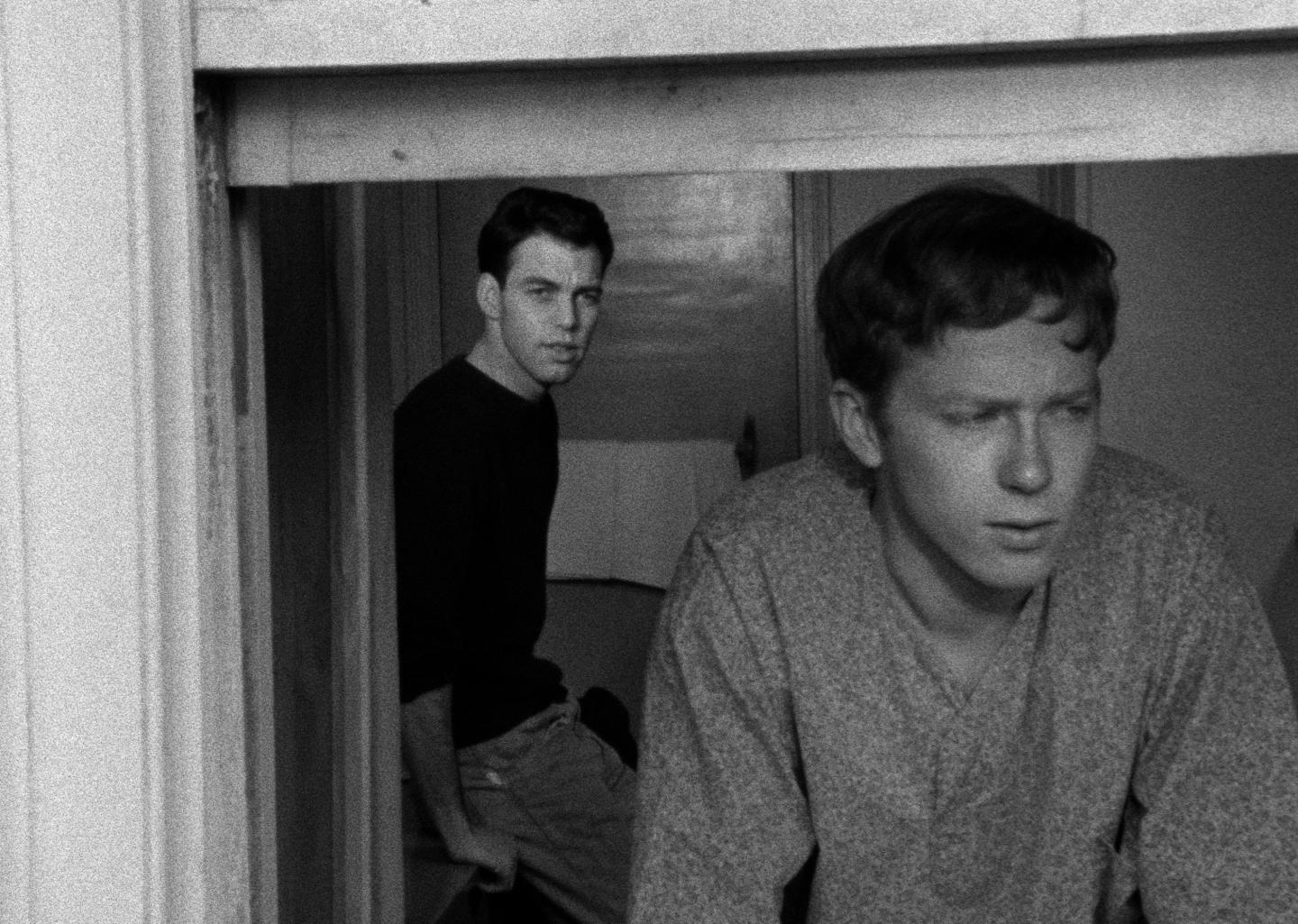
A still from the 1965 film Winter Kept Us Warm

Winter Kept Us Warm was inspired by Orson Welles’ Citizen Kane, which was made when the director was 24. Consequently, Secter ignored his fourth year of studies to focus on his own masterpiece. At 21, he put an ad in the student newspaper, The Varsity, asking, “Will the Great Canadian Film be produced at U of T?” and invited all interested students to join him in the venture.

With seed money from the Students’ Council of $750, he was able to shoot 12 minutes of the movie. After sorting through the footage, and with some impressed letters of support from more senior filmmakers, Secter hoped for financial support from the National Film Board (NFB), the Canada Council or the Ontario Arts Council.  However, they all gave it a pass. In the end, he was able to find the rest of the $8,000 budget himself through friends and his own personal donations.

(Ironically, it would be the NFB in May 1966, which would sponsor his showcase at  Cannes.)

The film’s gay subtext was deliberately staged by Secter, who wrote the film based on his own experience of falling in love with a male fellow student. He wrote that the film’s theme “is that friendship, like snow, is brilliant but ephemeral.” He had his volunteer crew on 24-hour notice for 5 weeks to capture the winter quadrangle romp scene he envisioned, waiting for the perfect weather conditions.

At a time when homosexuality was still criminalized in Canada, Winter Kept Us Warm proved to be pioneering; film critics in both the Toronto Star and Globe and Mail noted the film’s homosexual content.  Filmmaker David Cronenberg cites Winter Kept Us Warm as the most influential film in his life as well as to his discovery of cinema.

The film premiered in Canada at the Royal Ontario Museum in December 1965. It turned out to be a commercial success, playing in limited release across the country and on many University campuses. Secter was able to pay off his debts and attract $50,000 in seed money for his next film.

{KA}

Read Queer History over the holidays!

{The Calgary Gay History Project is on hiatus in December. Look for new queer history content in 2025!}

Stories connect us to community. Having a shared narrative increases a sense of belonging—especially in minority communities. For 2SLGBTQ+ people, the holidays can sometimes be alienating. One antidote to this is reading stories about our “rainbow elders.” Reading queer history can help us make sense of the present as well as our place in it.

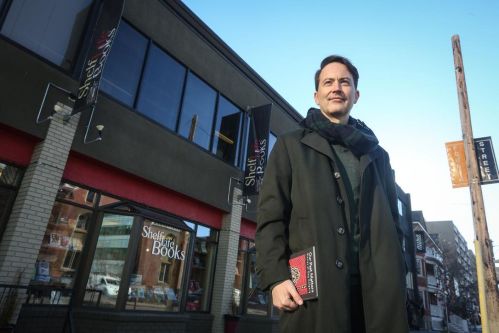
Our Past Matters Author Kevin Allen in front of Shelf Life Books

Here are a handful of reading recommendations:

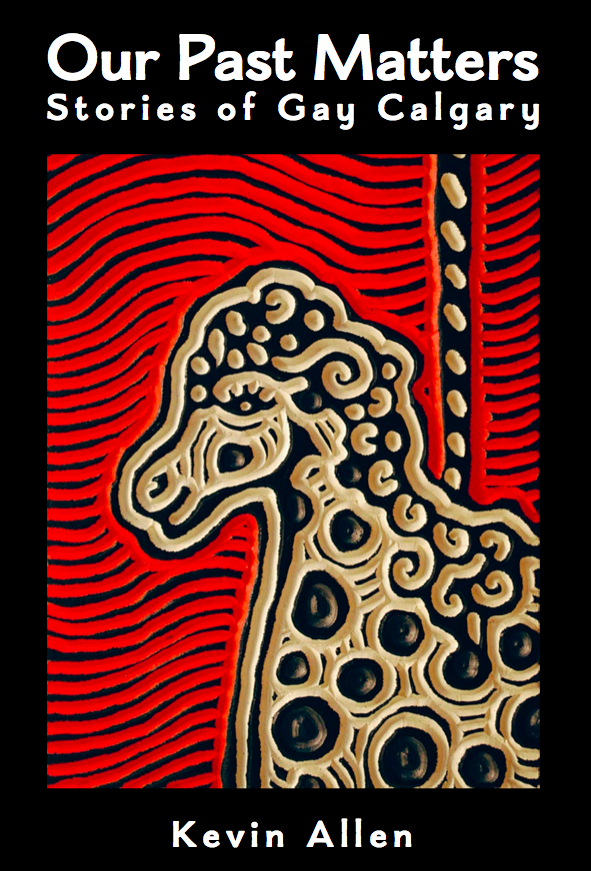
Our Past Matters: Stories of Gay Calgary hit #1 on the Calgary Herald bestseller list in 2019 and has been selling well ever since. Giller Prize-winning author Suzette Mayr wrote: This book makes me proud to be a Calgarian.” We are ever so grateful for independent bookstores Pages on Kensington and Shelf Life Books, who’ve sold so many copies that we’ve lost count. You can also find Our Past Matters at Polar Peek Books in Fernie, BC.

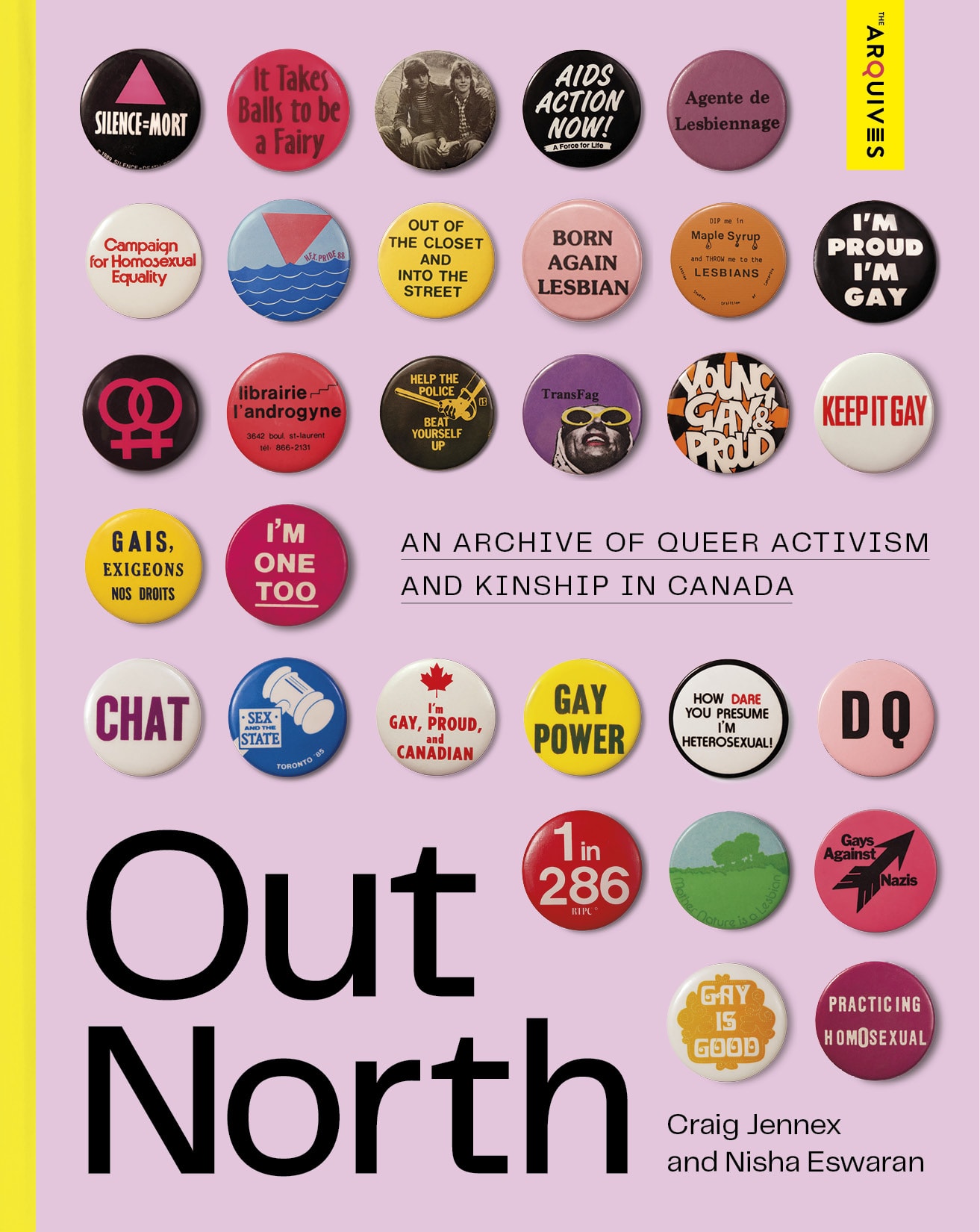
Out North: An Archive of Queer Activism and Kinship in Canada is a fascinating exploration and examination of queer history and activism, and Canada’s visual guide to 2SLGBTQ+ movements, struggles, and achievements. Written by Craig Jennex and Nisha Eswaran, Out North was a project of The ArQuives and has lots of cool pictures interspersed with the text.

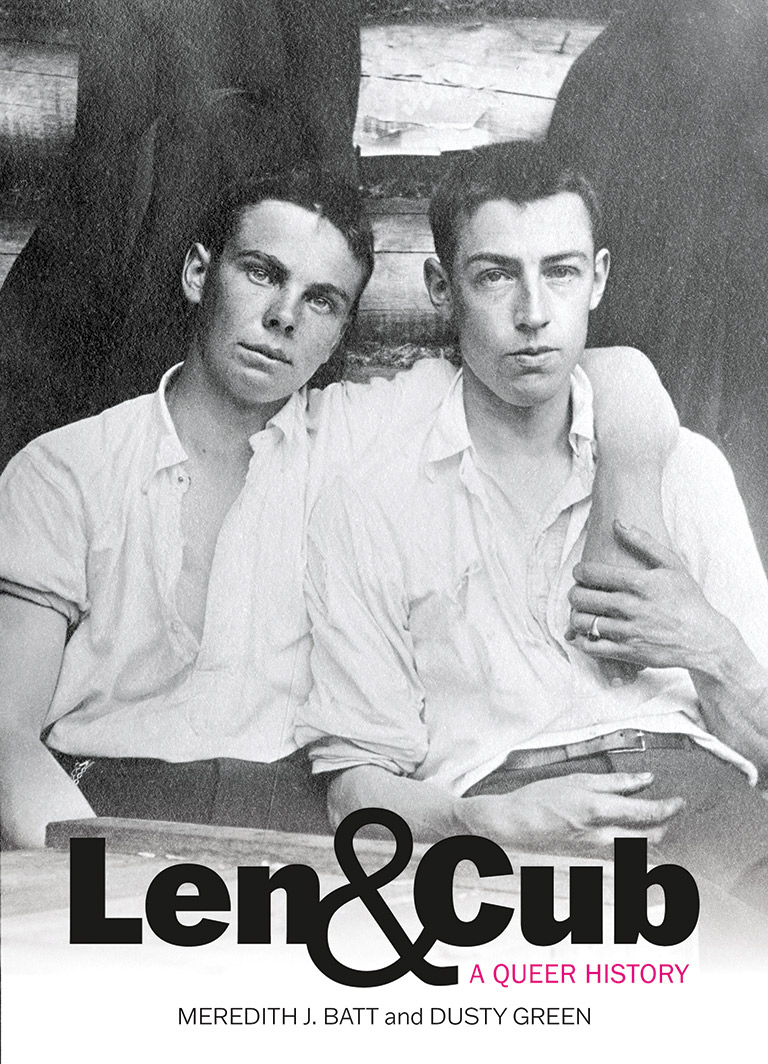
A personal favourite is Len & Cub: A Queer History. After discovering a treasure trove of old photos of this couple, authors Meredith J. Batt and Dusty Green delve into the lives of Leonard Keith and Joseph “Cub” Coates and their long-term same-sex relationship in the early 20th century. 

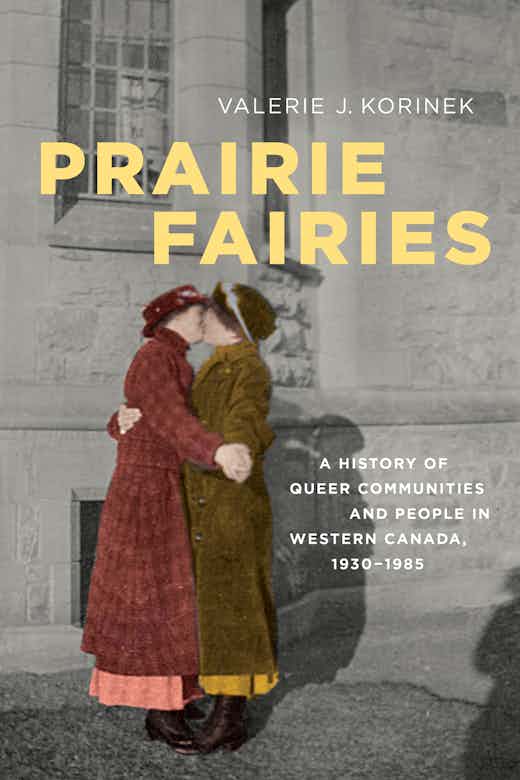
Valerie Korinek’s Prairie Fairies is a vitally important academic read. Prairie Fairies focuses on the queer history of the Prairies’ five urban centers: Winnipeg, Saskatoon, Regina, Edmonton, and Calgary. Korinek, with insightfulness, explores how the leading activists from these cities both informed and impacted Canadian national gay liberation debates. Korinek also finds the outlines of those who lived in prairie shadows–urban and rural–explaining how their existence added to the complex reality of queer communities.

Find these books at your favourite independent bookstore or find them for free at the Calgary Public Library.

Bonus read: Historian Sarah Worthman has uncovered Canadian queer stories from an era where sexual and gender identity was quite different. She has put together an engaging website called QUEERING THE WESTERN FRONT: A guided queer history tour of the First World War.

Happy holidays!

{KA}