{This week, we have a guest post from emerging historian Jason Brooks. Digging in the archives, he discovered that the storied Memorial Park Library was saved from redevelopment due to the shady company it kept! – Kevin}
In 1962, Calgary City Council was divided over the creation of a new central public library. While all sides agreed that the growing population required a new library, the location for such a building was contested. Mayor Harry Hays advocated for a location across from City Hall on the corner of 7th Ave and 2nd Street (later Macleod Trail) SE. However, opponents of this plan suggested the replacement of the then 50-year-old Memorial Park Library.
In response, Mayor Hays used a police report to argue that the site was dangerous to children since, “more homosexuals hang out there than anywhere else.” Despite the Mayor’s argument, the report concluded that no assaults had occurred to children under the age of 16 within the vicinity of Memorial Park.
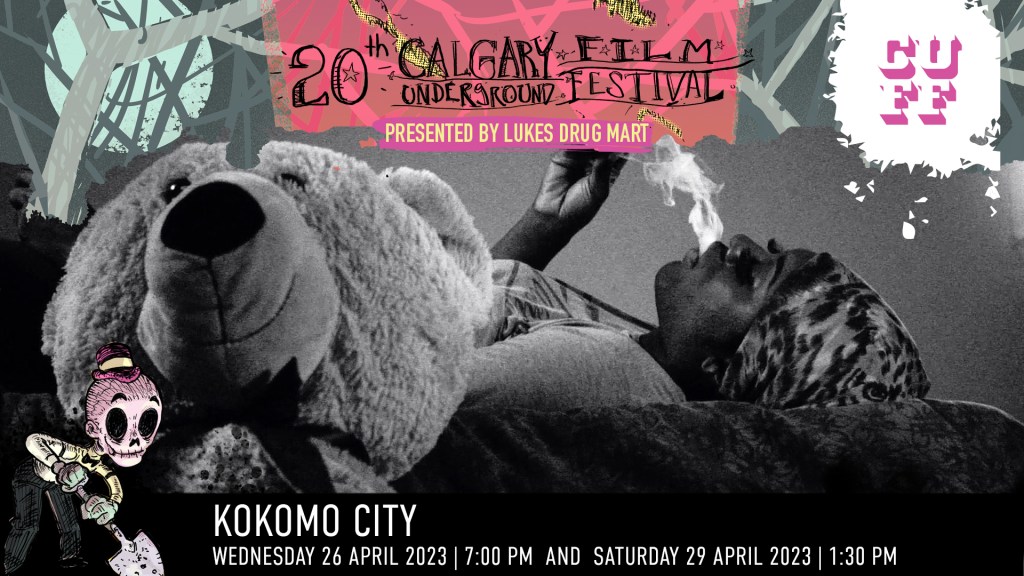
We salute our friends at the Calgary Underground Film Festival (CUFF) for their ongoing commitment to queer content. Celebrating their 20th anniversary—the festival runs April 20-30, 2023—CUFF is presenting the Canadian Premier of Kokomo City.
Directed by two-time Grammy nominee D. Smith, Kokomo City presents the stories of four Black transgender sex workers in New York and Georgia.
Shot in striking black and white, the boldness of the facts of these women’s lives and the earthquaking frankness they share complicate this enterprise, colliding the everyday with cutting social commentary and the excavation of long-dormant truths. Accessible for any audience, unfiltered, unabashed, and unapologetic, Smith and her subjects smash the trendy standard for authenticity, offering a refreshing rawness and vulnerability unconcerned with purity and politeness.
D. Smith is a two-time Grammy-nominated songwriter-producer who produced and is featured on “Shoot Me Down” from Lil Wayne’s 8x platinum album Tha Carter III and wrote and produced the No. 1 Billboard dance single “Love Yourself” by Billy Porter. She made history as the first trans woman cast on a primetime unscripted TV show. This is Smith’s directorial feature film debut.
“As a Black and trans filmmaker, Smith refreshingly creates the space for [her subjects] to be provocative, raw and daringly glamorous in her taboo-breaking work filmed in gleaming black-and-white and edited with a fiery spirit.” – Harper’s Bazaar
“The principal participants … are an electric bunch, and the diversity of their testimonies propels this worthwhile project into refreshing, uninhibited territory.” – The Hollywood Reporter
Kokomo City screens twice: April 26 at 7 PM and April 29 at 1:30 PM. See you at the festival!
Sarah Worthman, a historian and freelance researcher for the LGBT Purge Fund, released a stunning report last week about queer persecution in the First World War. Worthman writes: “There have been countless times throughout this research process where I have been told that ‘There may have been queer people in the First World War but the records of them simply do not exist.’”
Refusing to accept the historical record as silent, Worthman mined archives in Canada and the UK to find detailed records of queer sex, love, and expression within the Canadian Expeditionary Force (CEF). The report is free to download from the LGBT Purge Fund website.
The LGBT Purge Funded report was released March 17, 2023
She says on social media: “This project is the culmination of almost two years worth of research, writing, and activism. I left a little piece of my heart in this piece and I hope that translates to the reader.”
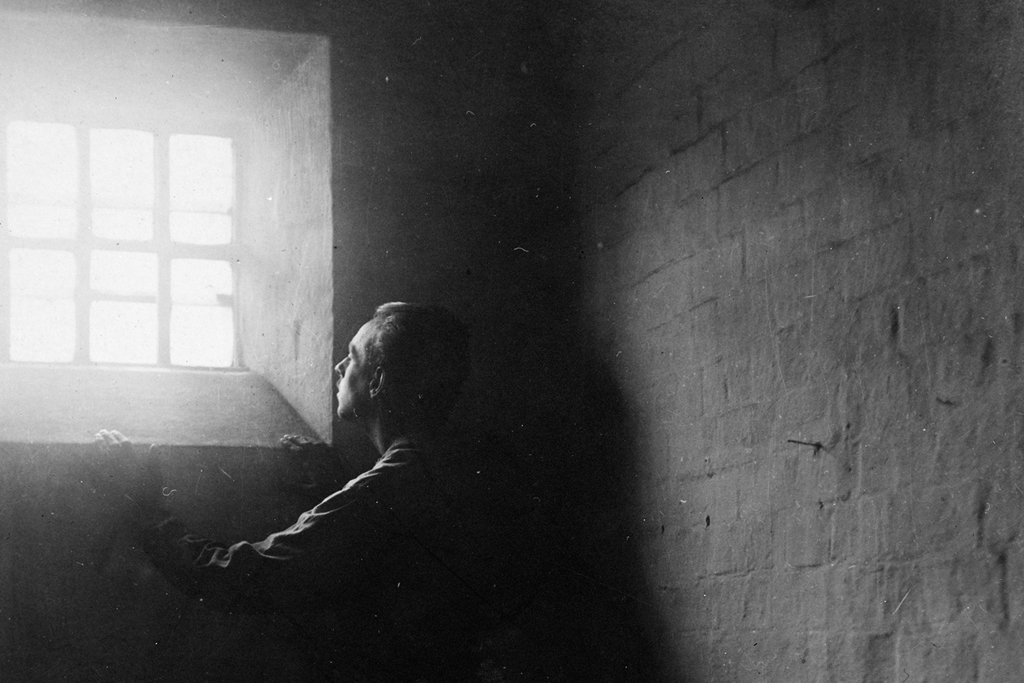
Worthman does an admirable job illuminating an unknown past and makes the report compelling to read. The research is both thorough and inspired. In the report, she identifies 19 men who were court-marshalled for being queer—12 were imprisoned, and 7 were sent to work in a labour camp. Interestingly some were sent back to the front when their bodies were needed more than their punishment.
The report is affected by presentism: interpreting the past through a contemporary lens. Although these persecutions were clearly unjust, a new line of inquiry is why the situation wasn’t worse. There were likely thousands of queer men involved in the war effort who escaped approbation. The popularity of female impersonation amongst the troops (as well as in Canadian society at that time) makes me wonder if queer identity was allowed to flourish in specific contexts. Worthman’s report does reference the military life of Ross Hamilton, a female impersonating soldier, but largely overlooks his cultural impact and celebrity in Canada.
Many historians have written about how enabling homosocial spaces are for queer sex. In this vein, another illuminating read is My Queer War. Although not Canadian, James Lord’s autobiography of his queer life in WWII is stunning in its openness and vibrancy—upending notions of queer isolation and persecution in the mid-20th Century. I would wager some WWI soldiers might have had similar experiences of unfettered queer joy and same-sex love. Historians clearly have more to uncover!
I am very grateful that Sarah Worthman took on this challenge. We all need to know these previously untold stories of WWI queer persecution—essential to a new understanding of Canadian History.





 Calgary Gay History