Tag Archives: Sarah Worthman

Read Queer History over the holidays!

{The Calgary Gay History Project is on hiatus in December. Look for new queer history content in 2025!}

Stories connect us to community. Having a shared narrative increases a sense of belonging—especially in minority communities. For 2SLGBTQ+ people, the holidays can sometimes be alienating. One antidote to this is reading stories about our “rainbow elders.” Reading queer history can help us make sense of the present as well as our place in it.
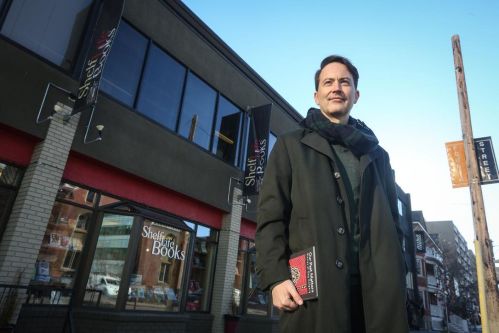
Our Past Matters Author Kevin Allen in front of Shelf Life Books

Here are a handful of reading recommendations:

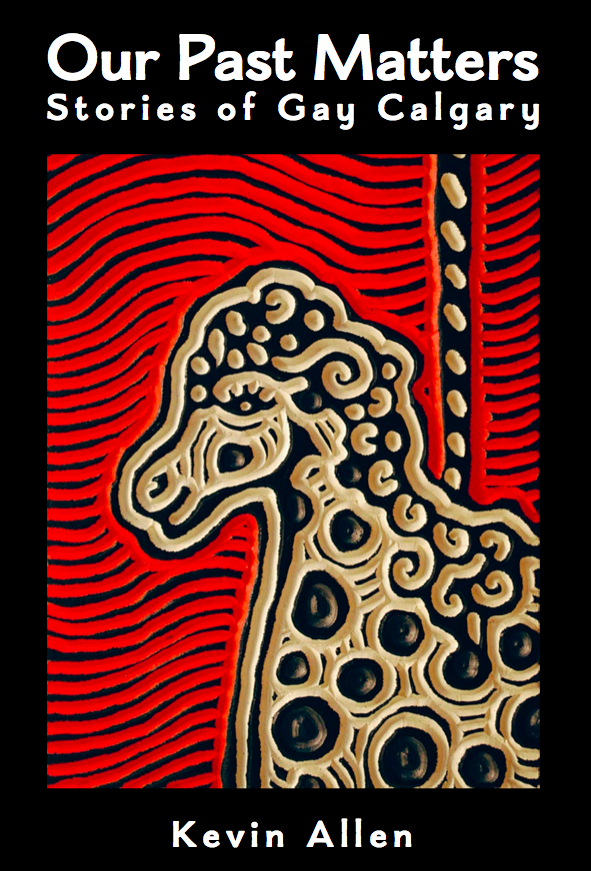
Our Past Matters: Stories of Gay Calgary hit #1 on the Calgary Herald bestseller list in 2019 and has been selling well ever since. Giller Prize-winning author Suzette Mayr wrote: This book makes me proud to be a Calgarian.” We are ever so grateful for independent bookstores Pages on Kensington and Shelf Life Books, who’ve sold so many copies that we’ve lost count. You can also find Our Past Matters at Polar Peek Books in Fernie, BC.

Out North: An Archive of Queer Activism and Kinship in Canada is a fascinating exploration and examination of queer history and activism, and Canada’s visual guide to 2SLGBTQ+ movements, struggles, and achievements. Written by Craig Jennex and Nisha Eswaran, Out North was a project of The ArQuives and has lots of cool pictures interspersed with the text.

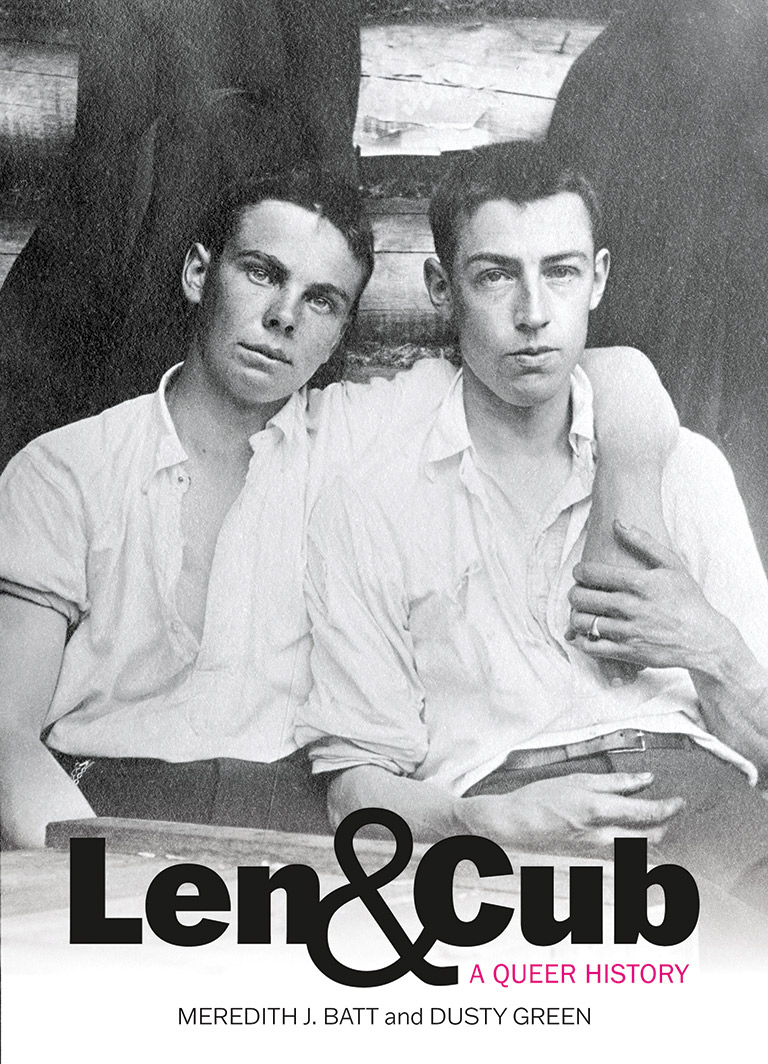
A personal favourite is Len & Cub: A Queer History. After discovering a treasure trove of old photos of this couple, authors Meredith J. Batt and Dusty Green delve into the lives of Leonard Keith and Joseph “Cub” Coates and their long-term same-sex relationship in the early 20th century. 

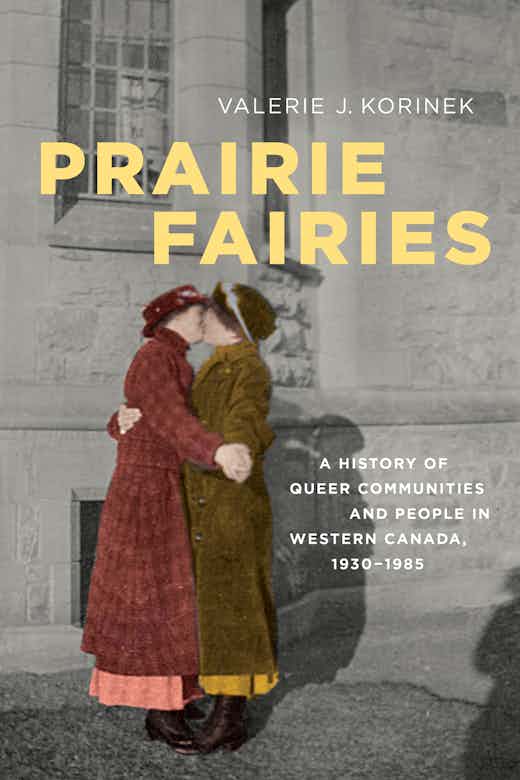
Valerie Korinek’s Prairie Fairies is a vitally important academic read. Prairie Fairies focuses on the queer history of the Prairies’ five urban centers: Winnipeg, Saskatoon, Regina, Edmonton, and Calgary. Korinek, with insightfulness, explores how the leading activists from these cities both informed and impacted Canadian national gay liberation debates. Korinek also finds the outlines of those who lived in prairie shadows–urban and rural–explaining how their existence added to the complex reality of queer communities.
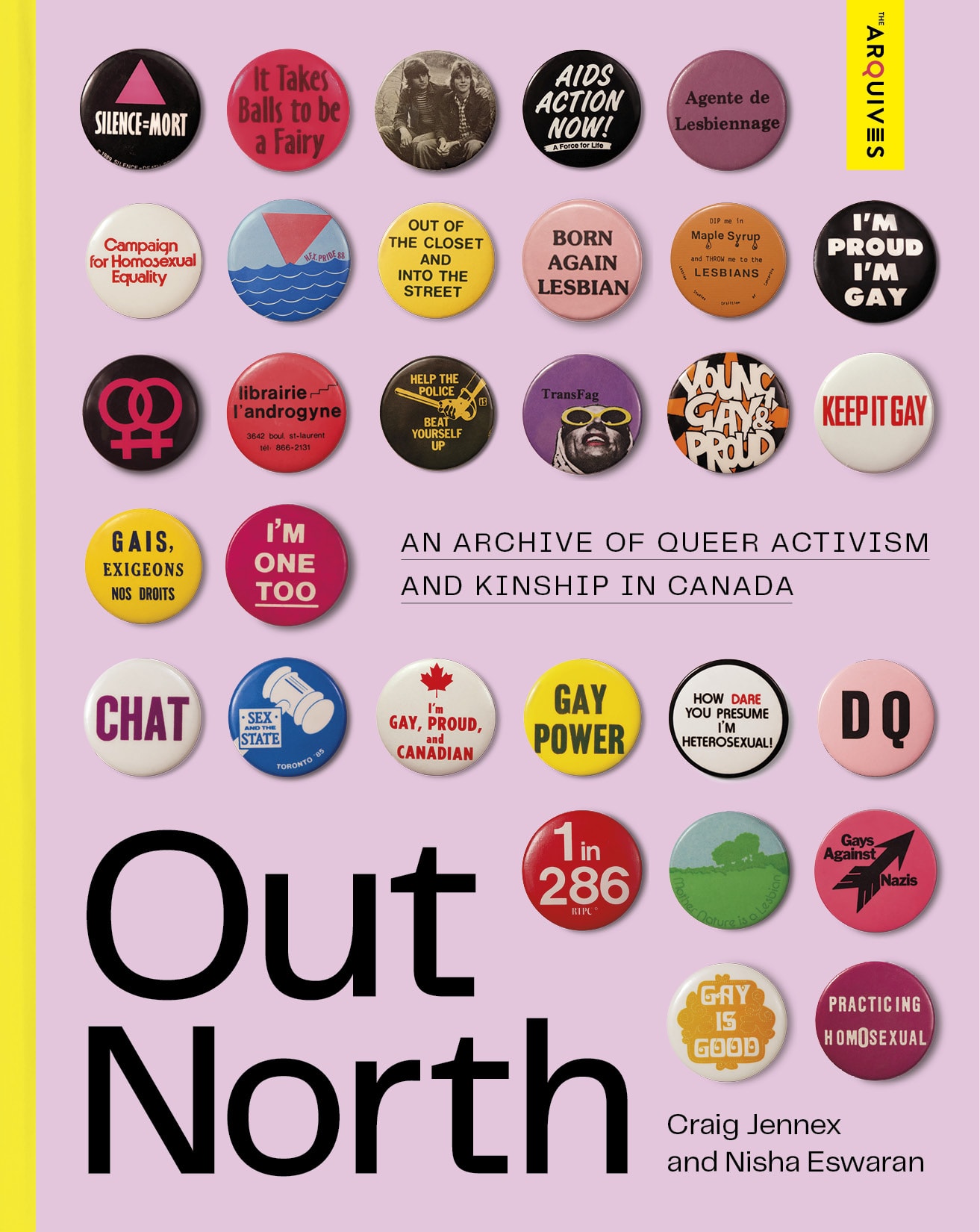
Find these books at your favourite independent bookstore or find them for free at the Calgary Public Library.

Bonus read: Historian Sarah Worthman has uncovered Canadian queer stories from an era where sexual and gender identity was quite different. She has put together an engaging website called QUEERING THE WESTERN FRONT: A guided queer history tour of the First World War.

Happy holidays!

{KA}
WWI’s Untold Queer History

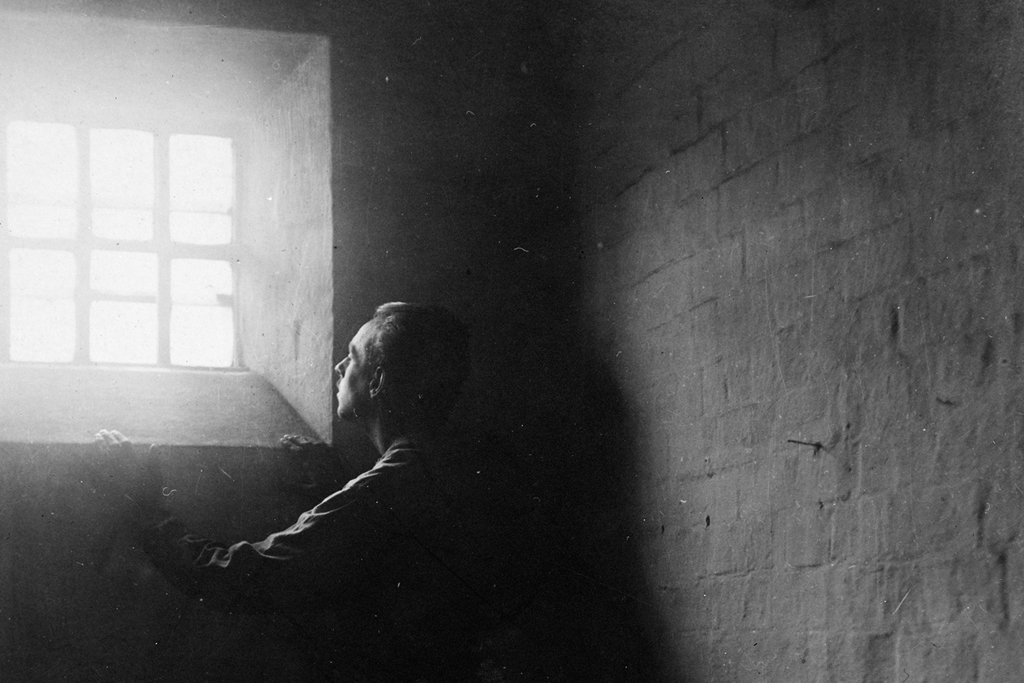
Sarah Worthman, a historian and freelance researcher for the LGBT Purge Fund, released a stunning report last week about queer persecution in the First World War. Worthman writes: “There have been countless times throughout this research process where I have been told that ‘There may have been queer people in the First World War but the records of them simply do not exist.’”

Refusing to accept the historical record as silent, Worthman mined archives in Canada and the UK to find detailed records of queer sex, love, and expression within the Canadian Expeditionary Force (CEF). The report is free to download from the LGBT Purge Fund website.

The LGBT Purge Funded report was released March 17, 2023

She says on social media: “This project is the culmination of almost two years worth of research, writing, and activism. I left a little piece of my heart in this piece and I hope that translates to the reader.”

Worthman does an admirable job illuminating an unknown past and makes the report compelling to read. The research is both thorough and inspired. In the report, she identifies 19 men who were court-marshalled for being queer—12 were imprisoned, and 7 were sent to work in a labour camp. Interestingly some were sent back to the front when their bodies were needed more than their punishment.

The report is affected by presentism: interpreting the past through a contemporary lens. Although these persecutions were clearly unjust, a new line of inquiry is why the situation wasn’t worse. There were likely thousands of queer men involved in the war effort who escaped approbation. The popularity of female impersonation amongst the troops (as well as in Canadian society at that time) makes me wonder if queer identity was allowed to flourish in specific contexts. Worthman’s report does reference the military life of Ross Hamilton, a female impersonating soldier, but largely overlooks his cultural impact and celebrity in Canada.

Many historians have written about how enabling homosocial spaces are for queer sex. In this vein, another illuminating read is My Queer War. Although not Canadian, James Lord’s autobiography of his queer life in WWII is stunning in its openness and vibrancy—upending notions of queer isolation and persecution in the mid-20th Century. I would wager some WWI soldiers might have had similar experiences of unfettered queer joy and same-sex love. Historians clearly have more to uncover!

I am very grateful that Sarah Worthman took on this challenge. We all need to know these previously untold stories of WWI queer persecution—essential to a new understanding of Canadian History.

{KA}