
{The Calgary Gay History Project is on hiatus in December. Look for new queer history content in 2025!}
Stories connect us to community. Having a shared narrative increases a sense of belonging—especially in minority communities. For 2SLGBTQ+ people, the holidays can sometimes be alienating. One antidote to this is reading stories about our “rainbow elders.” Reading queer history can help us make sense of the present as well as our place in it.
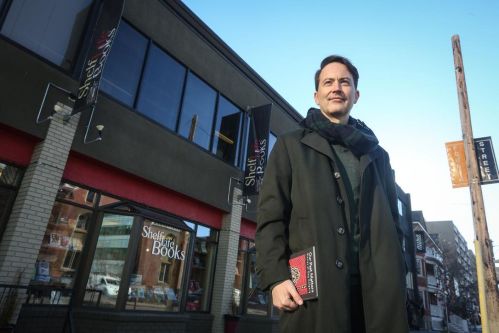
Here are a handful of reading recommendations:
Our Past Matters: Stories of Gay Calgary hit #1 on the Calgary Herald bestseller list in 2019 and has been selling well ever since. Giller Prize-winning author Suzette Mayr wrote: This book makes me proud to be a Calgarian.” We are ever so grateful for independent bookstores Pages on Kensington and Shelf Life Books, who’ve sold so many copies that we’ve lost count. You can also find Our Past Matters at Polar Peek Books in Fernie, BC.
Out North: An Archive of Queer Activism and Kinship in Canada is a fascinating exploration and examination of queer history and activism, and Canada’s visual guide to 2SLGBTQ+ movements, struggles, and achievements. Written by Craig Jennex and Nisha Eswaran, Out North was a project of The ArQuives and has lots of cool pictures interspersed with the text.
A personal favourite is Len & Cub: A Queer History. After discovering a treasure trove of old photos of this couple, authors Meredith J. Batt and Dusty Green delve into the lives of Leonard Keith and Joseph “Cub” Coates and their long-term same-sex relationship in the early 20th century.
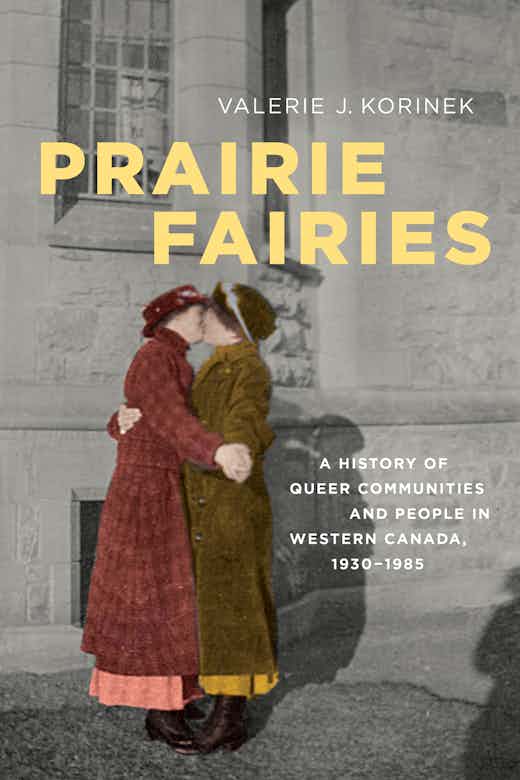
Valerie Korinek’s Prairie Fairies is a vitally important academic read. Prairie Fairies focuses on the queer history of the Prairies’ five urban centers: Winnipeg, Saskatoon, Regina, Edmonton, and Calgary. Korinek, with insightfulness, explores how the leading activists from these cities both informed and impacted Canadian national gay liberation debates. Korinek also finds the outlines of those who lived in prairie shadows–urban and rural–explaining how their existence added to the complex reality of queer communities.
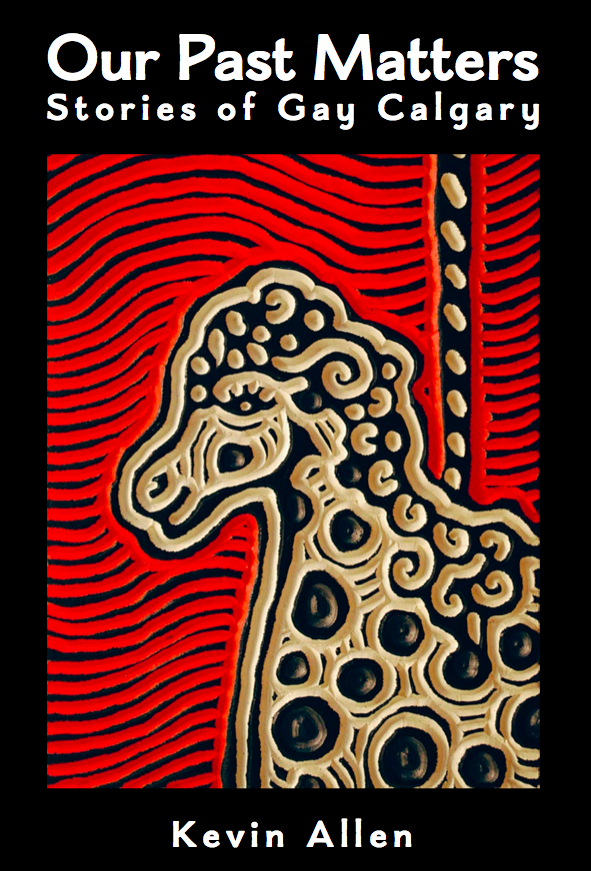
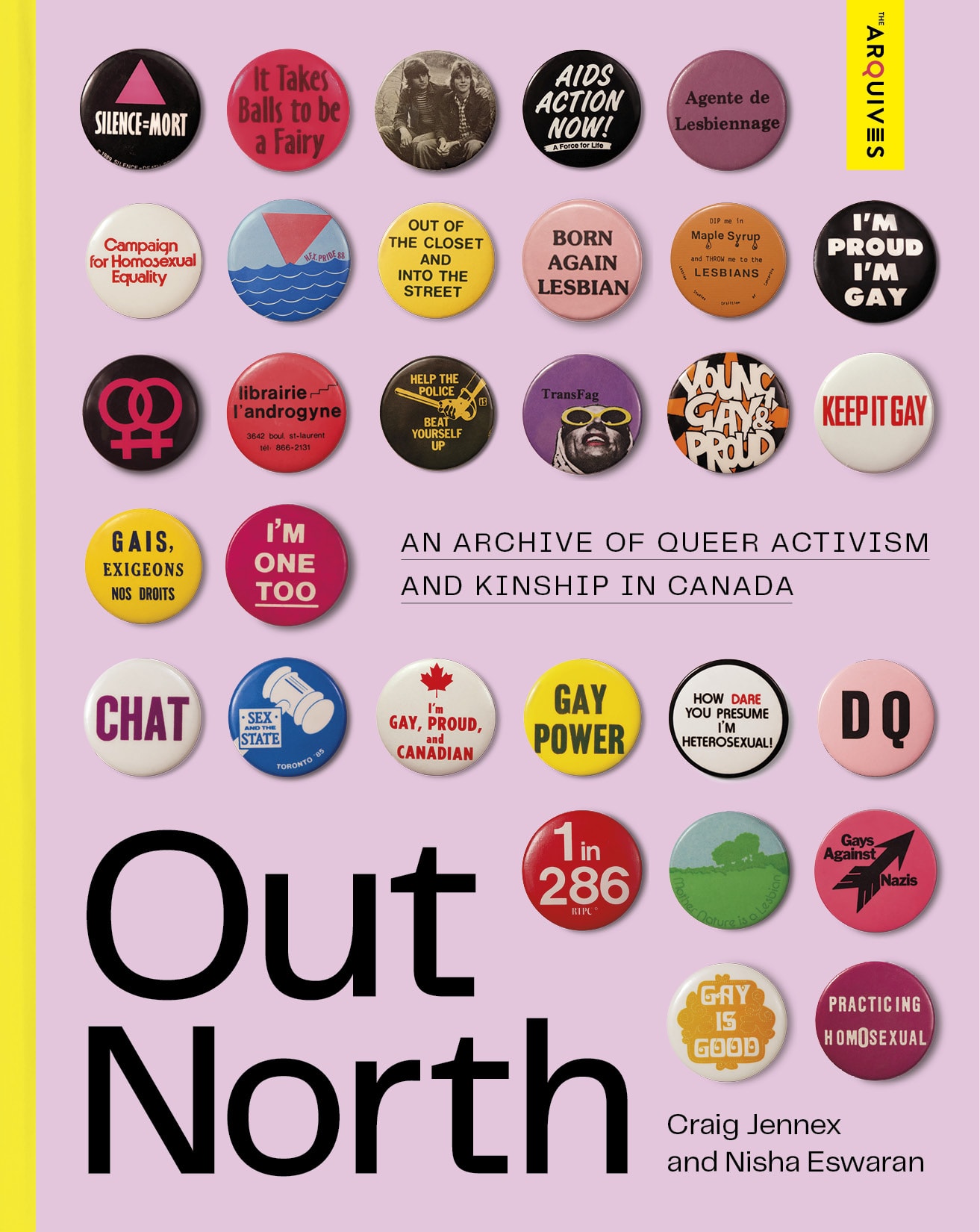
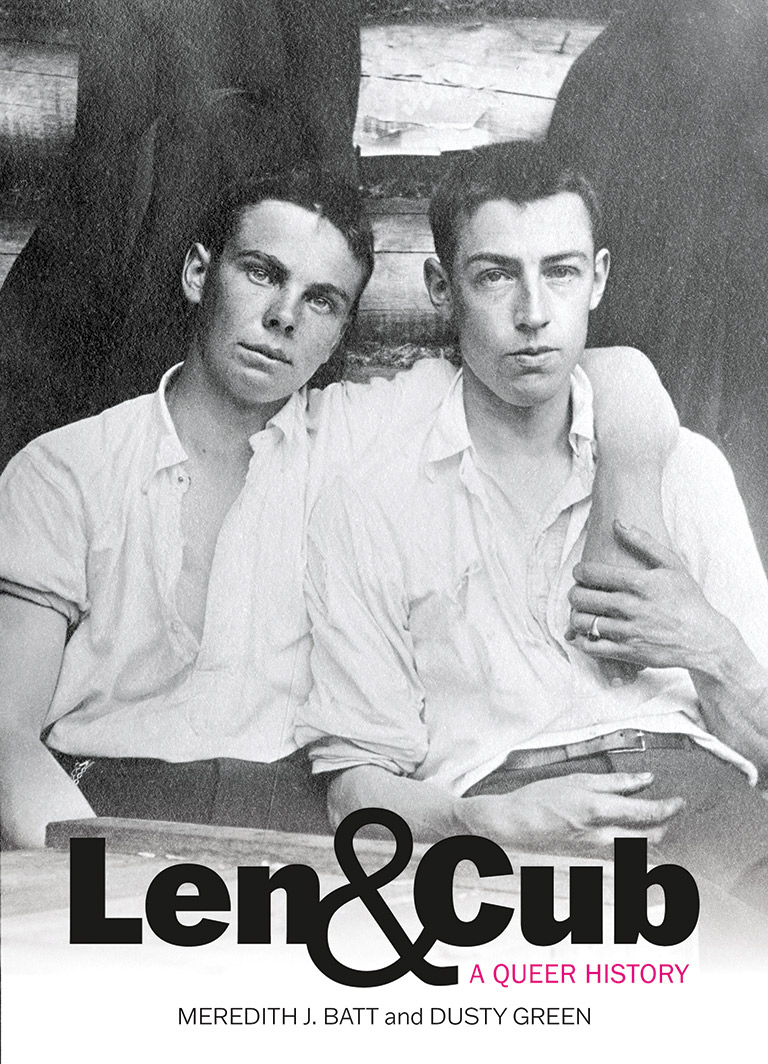
Find these books at your favourite independent bookstore or find them for free at the Calgary Public Library.
Bonus read: Historian Sarah Worthman has uncovered Canadian queer stories from an era where sexual and gender identity was quite different. She has put together an engaging website called QUEERING THE WESTERN FRONT: A guided queer history tour of the First World War.
Happy holidays!
{KA}


 Calgary Gay History